
Trump considers US government equity stakes in AI companies, plans executive summit
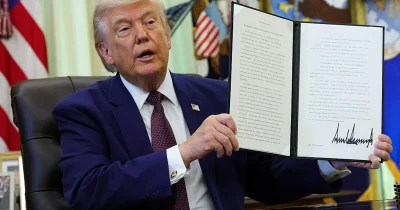
Trump is considering having the US government acquire equity stakes in artificial intelligence companies and plans to convene an executive summit on the topic. This potential policy shift could fundamentally alter how AI firms are regulated and valued, potentially creating conflicts of interest and distorting competitive dynamics in the tech sector.
The Trump administration's exploration of direct government equity ownership in AI companies represents a significant departure from traditional US tech policy, which has historically maintained separation between government and private sector ownership. This proposal emerges amid growing concerns about AI's strategic importance, national security implications, and the concentration of AI development in private hands. The administration appears to view equity stakes as both an investment opportunity and a governance mechanism to influence AI development priorities.
This approach carries substantial implications for market structure and competition. Government equity stakes could create perverse incentives where regulatory decisions favor companies in which the government holds shares, potentially disadvantaging competitors and distorting market valuations. The lack of clear separation between regulator and shareholder roles raises governance concerns about conflicts of interest and fair treatment across the industry.
For investors and developers, this policy shift introduces uncertainty about future regulatory frameworks and competitive conditions. Companies receiving government investment might gain regulatory advantages or preferential treatment, while others face potential disadvantages. The planned executive summit suggests this is not merely theoretical—the administration intends to operationalize this strategy with industry participation.
Looking ahead, the success and implementation timeline of this initiative depends on Congressional approval and industry cooperation. Stakeholders should monitor whether specific companies are targeted for equity stakes and how the government structures these investments to avoid obvious conflicts of interest. The proposal's trajectory will significantly influence how AI development and regulation evolve in the United States.
- →Trump administration exploring direct government equity ownership in US AI companies as both investment and governance tool
- →Government stakes in AI firms could create regulatory conflicts of interest and distort competitive market dynamics
- →Executive summit planned to implement the proposal signals serious intent beyond theoretical consideration
- →Policy shift represents departure from traditional hands-off US approach to private tech sector ownership
- →Uncertainty around implementation could affect valuations and competitive positioning of AI companies