
Trump pledges US aid to Lebanon, opposes Iran tolls on Strait of Hormuz
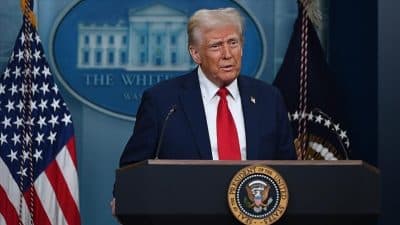
Trump has announced US aid to Lebanon and publicly opposed Iran's proposed tolls on the Strait of Hormuz, signaling a potential shift in Middle Eastern geopolitical strategy. These moves could reshape US-Iran relations and regional stability dynamics, with ripple effects on global markets and cryptocurrency volatility.
Trump's dual-pronged approach to Middle Eastern policy—providing aid to Lebanon while opposing Iranian toll mechanisms—reflects a recalibrated strategy toward regional influence and containment. The Strait of Hormuz remains one of the world's most critical chokepoints, with approximately 20% of global petroleum transit flowing through its waters. Iran's proposed tolling mechanism would represent a significant assertion of control over international commerce, triggering potential economic disruptions and geopolitical escalation.
Historically, Trump's first administration pursued a maximum pressure campaign against Iran through sanctions and military posturing. This renewed positioning suggests continuity in that framework while attempting to consolidate alliances through aid mechanisms. Lebanon, as a geopolitically significant nation bordering Israel and Syria, represents a strategic asset in counterbalancing Iranian regional influence through Hezbollah proxies.
For crypto and traditional markets, geopolitical tensions directly correlate with volatility patterns. Oil price fluctuations stemming from Strait of Hormuz disruption risks typically trigger flight-to-safety behavior, benefiting safe-haven assets like Bitcoin and gold. Conversely, reduced regional tensions can moderate risk premiums embedded in energy markets. Investors should monitor how these statements translate into actionable policy, as rhetoric and implementation diverge significantly in diplomatic contexts.
The trajectory of US-Iran relations will determine whether these pledges materialize into concrete aid deployment or remain strategic posturing. Market participants should track sanctions escalation, military positioning updates, and diplomatic negotiations for concrete signals that would impact commodity pricing and macro risk sentiment.
- →Trump opposes Iranian tolls on Strait of Hormuz, signaling continued containment strategy against Iran
- →US aid to Lebanon targets regional stability and counterbalances Iranian influence through Hezbollah
- →Geopolitical tensions in the Middle East historically increase cryptocurrency volatility and safe-haven demand
- →Oil market disruption risks from Strait of Hormuz tensions could trigger macro asset reallocation
- →Policy implementation matters more than rhetoric; investors should await concrete actions before adjusting positions