
Trump pressures Netanyahu to halt Iran attack, threatens isolation
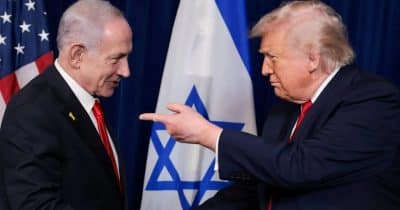
Trump has pressured Israeli Prime Minister Netanyahu to halt military operations against Iran, threatening diplomatic isolation if Israel proceeds with attacks. This geopolitical intervention underscores the fragile balance of Middle Eastern tensions and their ripple effects on global financial markets, including cryptocurrency volatility.
Trump's direct intervention in Israeli-Iranian military dynamics represents a significant shift in U.S. diplomatic positioning toward the Middle East conflict. By threatening isolation—a powerful diplomatic sanction—Trump signals willingness to leverage political capital to prevent regional escalation. This move reflects concerns that Iranian retaliation could destabilize global oil markets and trigger broader economic consequences.
The backdrop involves months of escalating tensions between Israel and Iran, with previous exchanges of missile and drone strikes creating a cycle of retaliation. Trump's pressure on Netanyahu suggests calculation that further military escalation poses greater risks than diplomatic restraint. The threat of isolation carries weight given Israel's dependence on U.S. military aid and intelligence sharing.
Geopolitical crises directly impact cryptocurrency markets through multiple channels. Risk-off sentiment during international conflicts typically pushes investors toward traditional safe-haven assets like U.S. Treasury bonds and gold, reducing risk appetite for volatile cryptocurrencies. Oil price spikes resulting from Middle East instability can trigger inflationary concerns, affecting Federal Reserve policy expectations and crypto valuations. Additionally, sanctions regimes sometimes involve cryptocurrency restrictions, creating regulatory uncertainty.
Markets will monitor whether Netanyahu yields to Trump's pressure or proceeds with attacks. A sustained diplomatic breakthrough could reduce geopolitical risk premiums currently priced into markets. Conversely, military escalation would likely trigger sharp cryptocurrency sell-offs alongside broader equity market weakness. The next 48-72 hours are critical for determining trajectory.
- →Trump threatens Netanyahu with diplomatic isolation if Israel attacks Iran, signaling major shift in U.S. Middle East strategy.
- →Geopolitical escalation creates risk-off sentiment that directly suppresses cryptocurrency valuations amid broader market anxiety.
- →Oil price volatility from Middle East tensions transmits inflationary signals that influence Fed policy and digital asset demand.
- →Cryptocurrency markets remain highly sensitive to geopolitical crises despite claims of being decoupled from traditional finance.
- →Diplomatic resolution would reduce risk premiums while military escalation likely triggers sharp crypto market corrections.