
Trump suggests ending Hormuz blockade amid Iran tensions
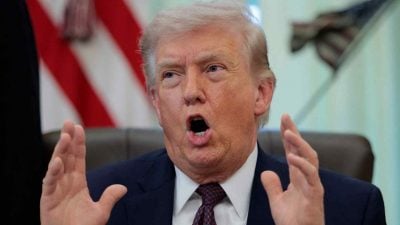
Trump has proposed ending the Hormuz blockade as a measure to de-escalate Iran tensions and improve global oil supply flows. The move signals a potential shift toward diplomatic engagement rather than military confrontation, with implications for energy markets and geopolitical stability.
Trump's suggestion to end the Hormuz blockade represents a significant diplomatic overture in an escalating regional conflict. The Strait of Hormuz serves as a critical chokepoint for global oil exports, with approximately one-third of seaborne traded oil passing through its waters. Any disruption to shipping through this waterway directly impacts energy prices worldwide, creating ripple effects across multiple asset classes including cryptocurrencies, which often correlate with macroeconomic uncertainty and energy costs.
Historically, tensions between the United States and Iran have periodically threatened Hormuz shipping lanes, creating volatility in crude oil markets. Previous blockade threats prompted sharp increases in oil prices, which subsequently influenced inflation expectations and central bank policy decisions. This proposal contrasts with prior hardline approaches and suggests a potential recalibration of U.S. foreign policy toward negotiation rather than escalation.
For cryptocurrency and digital asset markets, easing geopolitical tensions typically reduces haven-asset demand and risk premiums. Oil price stability supports lower inflation expectations, which can reduce pressure on interest rates and improve sentiment toward growth-oriented assets. Conversely, failed diplomatic efforts could trigger sharp oil price spikes, inflationary concerns, and flight-to-safety positioning that temporarily benefits defensive cryptocurrencies like Bitcoin.
Investors should monitor whether this proposal translates into actual diplomatic negotiations with Iran or represents merely rhetorical positioning. Direct indicators include statements from Iranian leadership, OPEC+ production decisions, and crude oil futures pricing. A genuine breakthrough could stabilize energy markets for quarters ahead, while escalation would create volatility across risk assets.
- →Trump proposes ending Hormuz blockade to reduce Iran tensions and stabilize global oil supplies
- →The Strait of Hormuz blockade directly impacts crude oil prices, which influence crypto market sentiment and macroeconomic conditions
- →De-escalation typically reduces haven-asset demand and risk premiums in cryptocurrency markets
- →Failed diplomatic efforts could trigger oil price volatility and flight-to-safety positioning in digital assets
- →Investors should monitor Iran's response and OPEC+ production signals for genuine diplomatic progress