
Trump rejects Iran and Oman control over Strait of Hormuz as deal stalls
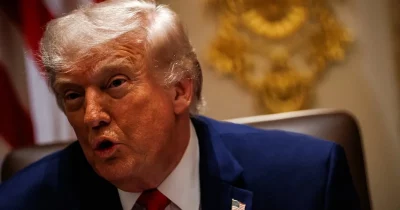
Trump has rejected Iranian and Omani control over the Strait of Hormuz, escalating geopolitical tensions in a critical global energy chokepoint. This stance threatens ongoing negotiations and raises concerns about energy market stability and broader US-Gulf regional relations.
Trump's rejection of Iran and Oman's role in controlling the Strait of Hormuz represents a significant hardening of US geopolitical posture toward the Persian Gulf region. The Strait serves as one of the world's most critical energy arteries, with roughly one-third of global maritime petroleum trade transiting through its narrow waterway. By publicly rejecting any compromise on control mechanisms, Trump signals an unwillingness to negotiate on what Washington views as strategic national security interests, potentially derailing diplomatic efforts that could have eased regional tensions.
This position reflects decades of US strategic doctrine prioritizing freedom of navigation and preventing any single hostile actor from choking global energy supplies. Iran's historical tensions with the US and recent maritime incidents have reinforced this stance, while Oman's proposed mediatory role suggested a diplomatic pathway. Trump's rejection eliminates that middle ground.
For global markets, heightened uncertainty around Strait passage creates structural upward pressure on oil prices and introduces volatility into energy hedging strategies. Cryptocurrency markets remain sensitive to macroeconomic shocks from energy crises, as oil price spikes historically correlate with broader risk-off sentiment affecting digital assets. Energy-intensive sectors, including crypto mining operations dependent on stable power supplies, face indirect exposure to escalating Gulf tensions.
Looking ahead, escalation risks remain high if diplomatic channels collapse entirely. Markets should monitor for concrete actions—military posturing, sanctions announcements, or shipping incidents—that could trigger rapid repricing across equities, commodities, and crypto. Investors holding significant positions should prepare contingency strategies for energy market disruption scenarios.
- →Trump's rejection of Iranian and Omani control over the Strait of Hormuz eliminates a proposed diplomatic compromise.
- →The Strait handles one-third of global maritime petroleum trade, making control of passage strategically critical.
- →Heightened geopolitical risk creates upward pressure on oil prices with ripple effects across crypto and traditional markets.
- →Energy market uncertainty directly impacts crypto mining operations that depend on stable power costs.
- →Investors should monitor for military escalation or sanctions that could trigger broader market repricing.