
Trump rejects Iran’s peace proposal, escalating US-Iran tensions
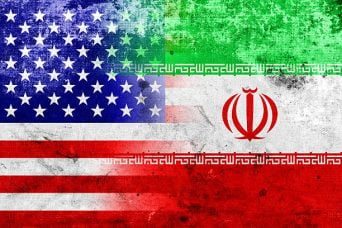
Trump rejected Iran's peace proposal, escalating US-Iran diplomatic tensions and increasing risks of military conflict. The decision threatens regional stability and could drive oil prices higher, creating macroeconomic headwinds that typically correlate with cryptocurrency volatility and safe-haven asset demand.
Trump's rejection of Iran's peace proposal represents a critical juncture in US-Iran relations, shifting the diplomatic calculus toward confrontation. This move signals Washington's hardline stance and reduces the likelihood of near-term de-escalation, increasing the probability of military incidents that could destabilize the Middle East—a region responsible for approximately 30% of global oil production.
The diplomatic rupture follows years of tension stemming from the 2018 US withdrawal from the JCPOA nuclear deal. Trump's previous maximum pressure campaign imposed severe sanctions on Iran's oil exports and financial systems. By rejecting peace overtures now, the administration eliminates a potential off-ramp, making accidental escalation or deliberate military action more probable. Regional powers including Israel and Saudi Arabia monitor this closely, as their own security calculations depend on US-Iran trajectory.
For cryptocurrency and financial markets, escalating geopolitical risk typically triggers oil price spikes. Historical precedent shows crude surges of 10-20% during acute Middle East crises, which compress global liquidity and increase inflation expectations. Bitcoin and other cryptocurrencies often exhibit flight-to-safety demand during such periods, though correlations remain unstable. Energy-intensive sectors face margin compression, while defense contractors and oil majors may see valuation support.
Investors should monitor crude oil futures (WTI, Brent), shipping costs through the Strait of Hormuz, and volatility indices. Further military provocations or additional sanctions could trigger sharper moves. The timeline for potential escalation remains unclear, but the diplomatic window has narrowed significantly.
- →Trump's rejection of Iran's peace proposal eliminates near-term de-escalation pathways and increases military conflict risk
- →Oil price spikes during Middle East crises typically reach 10-20% increases, pressuring global liquidity and inflation expectations
- →Cryptocurrency markets historically experience increased volatility during geopolitical crises as investors reassess risk assets
- →Monitoring crude futures, Strait of Hormuz shipping costs, and VIX levels provides early signals of escalation impact
- →Energy sector margins compress during supply disruption scenarios, while defense stocks may benefit from heightened tensions