
Trump rejects Iran peace proposal, impacting US-Iran nuclear deal prospects
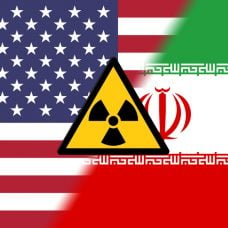
Trump has rejected an Iran peace proposal, escalating US-Iran tensions and diminishing prospects for nuclear deal negotiations. This geopolitical deterioration threatens regional stability and could trigger market volatility, particularly affecting risk assets including cryptocurrency markets sensitive to macroeconomic uncertainty.
Trump's rejection of Iran's peace proposal represents a significant escalation in US-Iran relations, reversing diplomatic momentum that had shown limited but tangible progress. This decision signals a hardline stance toward Iran negotiations and suggests the incoming administration prioritizes pressure tactics over dialogue, potentially undoing years of multilateral diplomatic efforts.
Historically, US-Iran tensions have created regional instability dating back to the 2015 nuclear deal (JCPOA), which Trump withdrew from in 2018, reimposing sanctions. Iran's subsequent nuclear enrichment acceleration and regional proxy activities created a cycle of escalation that brief diplomatic windows temporarily interrupted. The current rejection suggests this cycle may intensify, with neither side showing willingness for compromise.
Geopolitically-sensitive markets, including cryptocurrency, typically respond negatively to increased Middle East tensions due to oil price volatility and broader macroeconomic uncertainty. Risk-off sentiment during geopolitical crises often drives investors toward safer assets, potentially reducing capital flows into speculative assets like digital currencies. Crypto markets may face headwinds if tensions escalate further, particularly if oil prices spike due to perceived supply chain risks in the Strait of Hormuz.
Observers should monitor escalation indicators: Iranian retaliatory rhetoric, potential military posturing, oil market movements, and broader equity market reactions. If tensions intensify toward military confrontation, cryptocurrency markets would likely experience significant volatility alongside traditional risk assets. The intersection of geopolitical risk and macroeconomic uncertainty creates an unstable environment for digital asset valuations.
- →Trump's rejection of Iran peace proposal escalates US-Iran tensions and reduces nuclear deal prospects
- →Geopolitical instability typically triggers risk-off sentiment affecting cryptocurrency and speculative assets
- →Oil price volatility from Middle East tensions could impact broader macroeconomic conditions
- →Regional stability deterioration may increase cryptocurrency market volatility in coming weeks
- →Monitoring escalation signals and diplomatic developments becomes critical for market outlook