
Trump declares Hormuz Strait crisis over, rejects NATO assistance
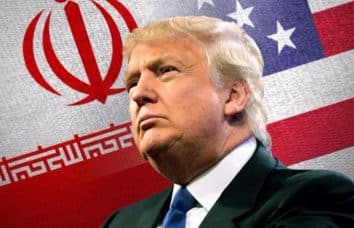
President Trump unilaterally declared the Hormuz Strait crisis resolved and rejected NATO assistance, a decision that signals a shift in US multilateral security commitments. This move could strain transatlantic relations and complicate future cooperative defense efforts, with potential ripple effects on geopolitical stability and market confidence.
Trump's unilateral declaration regarding the Hormuz Strait and rejection of NATO support represents a significant departure from traditional US alliance management. The decision reflects a broader pattern of skepticism toward multilateral institutions and a preference for independent action, even in strategically critical regions like the Persian Gulf where international coordination has historically underpinned stability.
The Hormuz Strait remains one of the world's most economically vital chokepoints, with roughly 20% of global oil passing through it daily. Historical crises in this region have triggered immediate market responses, influencing energy prices, risk premiums, and broader macroeconomic sentiment. Trump's claim to have resolved tensions unilaterally raises questions about the actual status of regional security threats and the durability of any arrangement made outside established frameworks.
For cryptocurrency and financial markets, geopolitical stability directly impacts investor risk appetite and capital allocation. Uncertainty surrounding US security commitments and NATO cohesion can drive capital toward safe-haven assets, including Bitcoin and gold, while increasing volatility in equities and commodities tied to energy markets. The rejection of multilateral defense mechanisms may also signal reduced US involvement in certain regional conflicts, potentially lowering crude oil risk premiums and affecting energy-linked cryptocurrencies.
Market participants should monitor whether this declaration leads to concrete de-escalation or merely reflects political positioning. Sustained US withdrawal from traditional security roles could reshape geopolitical risk pricing across all asset classes. The credibility of US security guarantees—central to allied confidence—becomes relevant for long-term macroeconomic forecasting and portfolio positioning in volatile periods.
- →Trump's unilateral Hormuz declaration signals reduced reliance on NATO and multilateral security frameworks
- →Geopolitical uncertainty from weakened US alliances typically increases demand for safe-haven assets like Bitcoin
- →Oil market stability depends partly on perceived security in the Hormuz Strait, affecting energy price volatility
- →Breakdown in US-NATO relations could reshape global risk premiums across cryptocurrencies and traditional markets
- →Investors should track whether this position leads to lasting regional de-escalation or increased tension