
Trump prohibits Israel from bombing Lebanon, pushing for diplomatic solutions
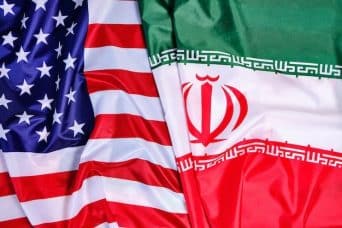
President Trump has reportedly prohibited Israel from conducting bombing operations against Lebanon, prioritizing diplomatic negotiations to de-escalate regional tensions. This intervention signals a shift toward peace initiatives that could reshape US-Iran relations and stabilize Middle Eastern geopolitics.
Trump's diplomatic intervention in the Israel-Lebanon conflict represents a significant policy shift toward restraint in Middle Eastern military escalation. By imposing restrictions on Israeli military operations, the administration is attempting to prevent a broader regional conflagration that could destabilize energy markets and create geopolitical uncertainty. This move reflects a pragmatic approach to conflict resolution rather than the military interventionism that characterized previous approaches to Middle Eastern tensions.
The context for this decision involves escalating tensions between Israel and Lebanon-based militant groups, which have threatened to expand into a larger regional conflict. Trump's push for diplomatic solutions suggests the administration recognizes that military escalation carries significant economic and strategic risks, including potential disruption to global oil supplies and increased volatility in energy markets. Historical precedent shows that Middle Eastern military conflicts create immediate volatility in cryptocurrency and traditional markets due to safe-haven asset flows and geopolitical risk premiums.
From a market perspective, this diplomatic initiative could reduce near-term volatility in energy and equity markets while potentially strengthening the US dollar as a safe-haven asset. However, the sustainability of these diplomatic efforts remains uncertain. Cryptocurrency markets typically respond positively to reduced geopolitical tensions, as risk-off sentiment decreases and investors return to growth assets. The success or failure of these negotiations will significantly influence capital allocation decisions in both traditional and digital asset markets.
Investors should monitor developments in US-Iran relations and Israeli-Hezbollah dynamics for indicators of diplomatic success or failure, as escalation would likely trigger risk-off positioning across asset classes.
- →Trump administration prohibits Israeli bombing of Lebanon, prioritizing diplomatic over military solutions
- →De-escalation could reduce energy market volatility and support risk-on sentiment in crypto markets
- →US-Iran relations represent critical indicator for success or failure of diplomatic initiative
- →Geopolitical stability supports growth asset allocation while conflict escalation triggers safe-haven flows
- →Cryptocurrency investors should monitor Middle East developments as proxy for broader risk sentiment