
Crypto champion Trump may be jeopardizing the industry’s landmark legislation
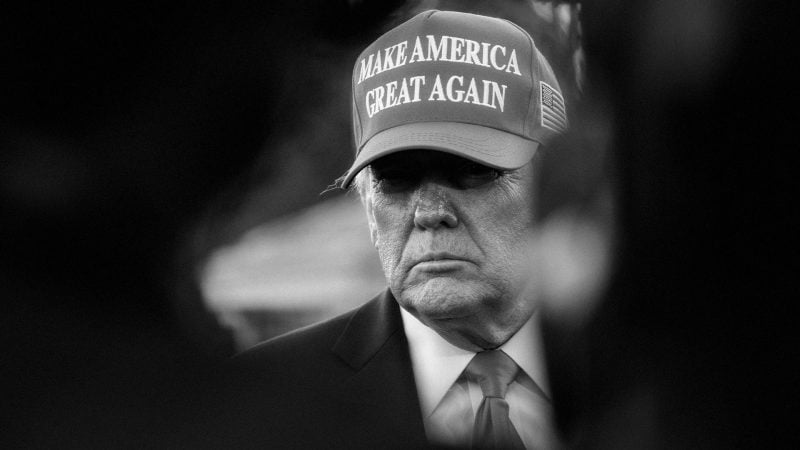
Despite being crypto's strongest political advocate, President Trump risks becoming a liability to landmark digital asset legislation that has taken years to develop. His actions and positions may paradoxically undermine the very regulatory framework the industry has worked to establish.
Trump's relationship with the crypto industry presents a paradox that threatens legislative progress. While the sector championed his presidency as the most crypto-friendly administration in history, his unpredictable approach to regulation and governance may actually jeopardize the bipartisan consensus required to pass comprehensive digital asset legislation. The crypto industry has spent years building toward major legislation, requiring careful stakeholder alignment across Republican and Democratic lawmakers, regulators, and institutional players. Trump's polarizing positions on various policy fronts could fracture this coalition by making crypto regulation a partisan issue rather than a pragmatic one.
Historically, crypto legislation has advanced through compromise and technocratic expertise rather than political theatrics. The industry's major wins—from clarifying SEC vs. CFTC jurisdiction to advancing stablecoin regulations—emerged from quiet negotiation and consensus-building. Trump's tendency toward combative rhetoric and sudden policy shifts creates uncertainty that makes legislative partners nervous about long-term commitments.
For investors and developers, this dynamic creates significant headwinds. Legislation provides the regulatory clarity that institutions need to enter crypto markets at scale. If Trump's unpredictability fractures the political consensus, progress stalls, and the industry remains in regulatory limbo longer. Conversely, ongoing uncertainty may suppress institutional adoption rates and token valuations as major players await clearer rules.
The critical watch point is whether Trump can work within existing legislative frameworks rather than seeking to dominate them. The industry's success ultimately depends on depoliticizing crypto regulation—a challenge for any polarizing figure.
- →Trump's unpredictability threatens the bipartisan consensus required for landmark crypto legislation despite his pro-crypto positioning
- →Years of careful regulatory negotiations could be jeopardized by partisan politicization of digital asset policy
- →Institutional adoption hinges on stable regulatory clarity, which Trump's volatility may delay indefinitely
- →The crypto industry's legislative strategy requires consensus-building that conflicts with Trump's polarizing governance style
- →Risk of regulatory uncertainty persisting even with a crypto-friendly administration in power