
Trump pivots to diplomacy as Iran’s economic tactics impact policy shift
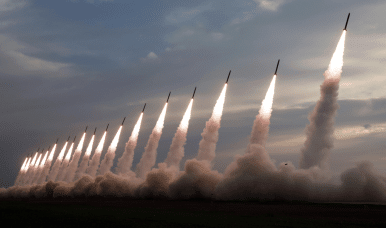
Trump shifts toward diplomatic engagement with Iran, moving away from military confrontation as economic pressures reshape policy priorities. This diplomatic pivot underscores how economic leverage can fundamentally alter geopolitical strategy, with potential ripple effects on global markets and international relations.
Trump's strategic pivot toward diplomacy with Iran represents a significant recalibration of U.S. foreign policy methodology. Rather than escalating military tensions, the administration appears to recognize that sustained economic pressure creates more durable negotiating positions than direct confrontation. This shift signals a recognition that multilayered economic constraints—including sanctions, trade restrictions, and financial isolation—can achieve policy objectives more effectively than kinetic action while minimizing domestic political costs and international blowback.
The broader context reveals how geopolitical actors increasingly weaponize economic tools. Iran's economic tactics, whether retaliatory measures or strategic positioning within global trade networks, have demonstrably influenced high-level policy decisions. This pattern reflects the modern reality where financial systems, sanctions regimes, and economic interdependence function as primary instruments of statecraft, often outweighing traditional military considerations in policy calculus.
For investors and market participants, diplomatic engagement typically reduces geopolitical risk premiums embedded in oil prices, emerging market currencies, and defense sector equities. De-escalation narratives often correlate with improved risk sentiment and capital flows toward higher-yield assets. However, sustained ambiguity about negotiation outcomes can create volatility during transition periods.
Looking forward, monitor whether diplomatic channels produce concrete agreements or stall, as breakdown in negotiations could rapidly reverse market sentiment. Watch for announcements regarding sanctions modifications, as these directly impact commodity prices and emerging market positioning. The durability of this diplomatic approach will ultimately depend on whether both parties perceive sufficient mutual benefit to maintain engagement.
- →Economic pressure proves more durable than military escalation in reshaping foreign policy outcomes
- →Diplomatic engagement typically reduces geopolitical risk premiums across commodities and emerging markets
- →Iran's economic tactics directly influenced U.S. policy direction, demonstrating effective economic statecraft
- →De-escalation narratives may improve near-term risk sentiment but create volatility during uncertain negotiation periods
- →Sanctions modifications and agreement announcements will serve as critical market triggers