
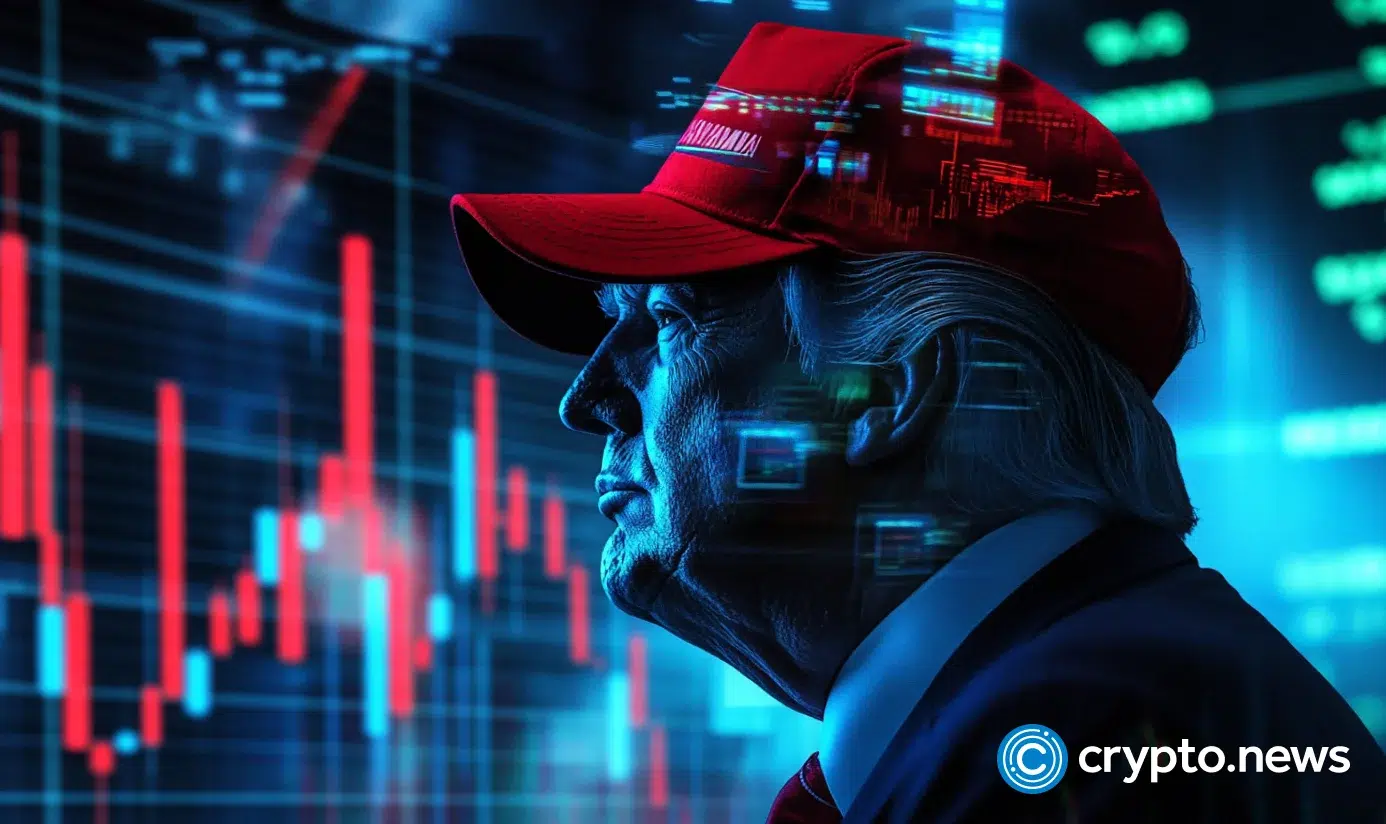
President Trump signaled a potential diplomatic resolution with Iran and cancelled planned airstrikes, triggering a broad rally in US equities. The reduced geopolitical risk premium boosted major stock indexes as market participants reassessed military escalation concerns.
Trump's public statements de-escalating tensions with Iran represent a significant shift in near-term geopolitical risk assessment. The cancelled airstrikes and openness to diplomatic negotiations directly addressed investor concerns about a Middle East conflict that could disrupt global energy supplies and trigger broader market volatility. This geopolitical pivot provides relief to markets that had priced in elevated uncertainty premiums.
Escalating US-Iran tensions have historically created volatile market conditions, particularly affecting oil prices and equities sensitive to economic slowdown risks. Trump's previous maximum pressure campaign and the January 2020 Soleimani killing established a pattern of unpredictable military action. This reversal signals a willingness to pursue alternative diplomatic channels, which fundamentally changes the risk calculus for institutional investors who had been hedging against conflict scenarios.
For equity markets, reduced geopolitical risk removes a drag on valuations and risk appetite. Major indexes benefit from lower tail-risk hedging costs and renewed investor confidence in stable market conditions. Oil prices typically decline when military conflict risks recede, supporting consumer spending and reducing inflation pressures that concern the Federal Reserve.
Looking ahead, the sustainability of these diplomatic efforts determines whether the market reprieve persists. Any escalation or failed negotiations could quickly reverse gains. Additionally, traders should monitor oil price movements as a leading indicator of market confidence in sustained de-escalation. The broader implication is that geopolitical risk remains a primary driver of macro asset allocation, capable of overriding fundamental economic signals.
- →Trump cancelled planned Iran airstrikes and signaled openness to diplomatic negotiations, reducing near-term conflict risk
- →US equity indexes rallied as investors reassessed geopolitical risk premiums that had weighed on market sentiment
- →De-escalation typically supports equity valuations by reducing tail-risk hedging costs and improving risk appetite
- →Oil markets may decline if sustained diplomatic progress reduces Middle East supply disruption concerns
- →Geopolitical stability remains subject to rapid reversal if negotiations fail or tensions re-escalate