
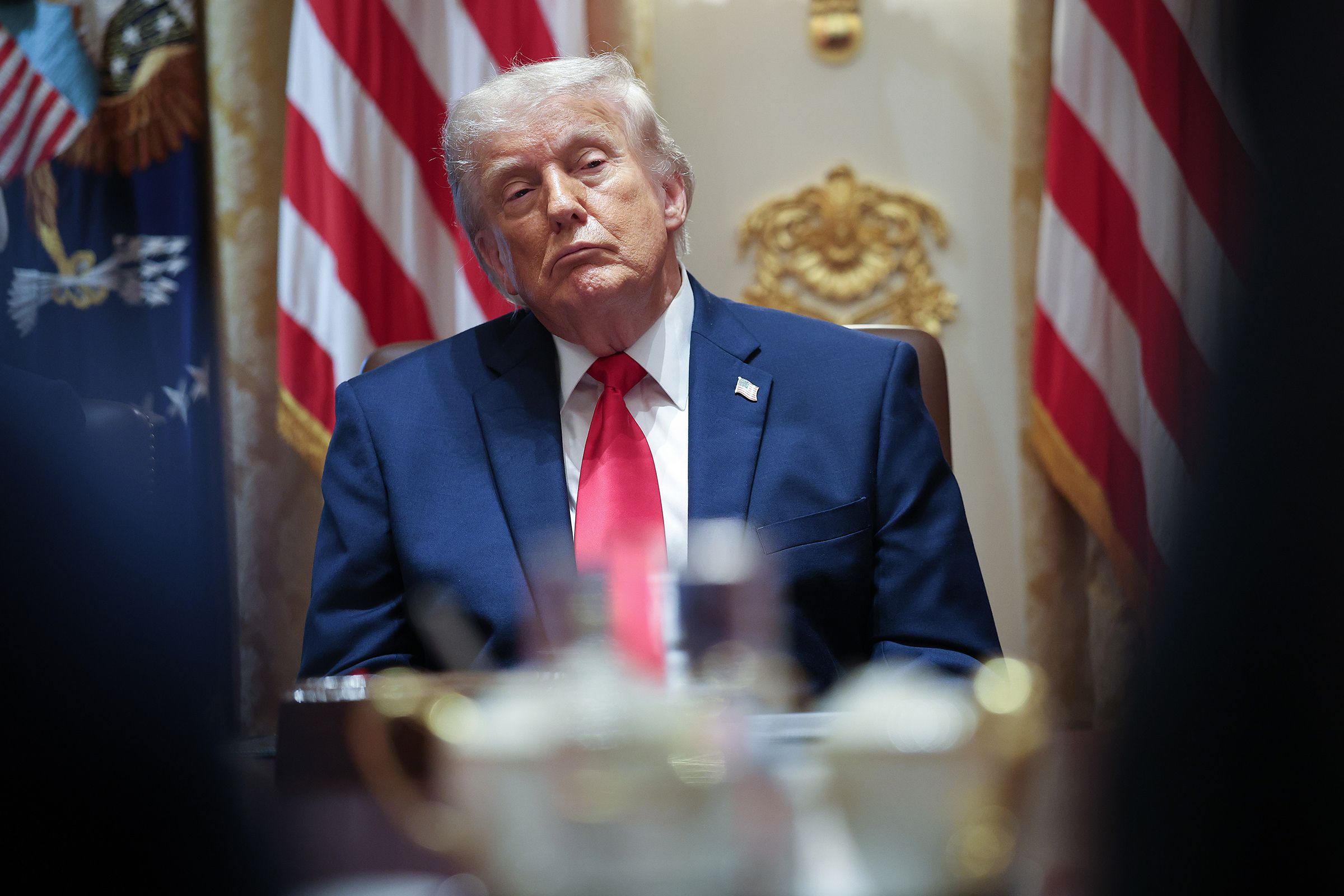
Donald Trump signed an AI executive order Monday night after previously shelving the original version last month. The move signals a shift in the administration's approach to AI regulation and governance.
Trump's decision to sign the AI executive order represents a significant policy pivot after initially setting aside the earlier version. This reversal suggests evolving consensus within the administration regarding the importance of establishing a federal framework for artificial intelligence oversight. The timing matters as it indicates the administration is balancing innovation concerns with regulatory necessity—a delicate positioning that affects how AI development proceeds across the U.S. economy.
The context reveals broader patterns in tech policy. Previous resistance to the original order likely stemmed from tensions between different stakeholder groups: those favoring light-touch innovation approaches versus those advocating stronger guardrails. By resigning a modified version, the administration appears to have found middle ground, possibly incorporating feedback from industry leaders and technologists who opposed overly restrictive measures.
For the AI and crypto sectors, executive orders on AI regulation carry substantial weight. Clear federal guidance reduces uncertainty for developers and investors building AI infrastructure and AI-enabled platforms. This executive action could accelerate mainstream adoption by providing regulatory clarity, though specifics of the order's contents determine whether it genuinely enables innovation or creates new compliance burdens.
Investors should monitor implementation details as agencies develop rules and guidelines under this order. The executive order establishes direction but typically requires lengthy administrative processes before meaningful market impact materializes. Stakeholders in AI infrastructure, enterprise AI applications, and decentralized AI systems should track how agencies interpret and enforce the order's provisions.
- →Trump reversed course by signing an AI executive order after previously shelving the original version
- →The policy shift suggests the administration prioritizes establishing federal AI governance frameworks
- →Clear regulatory guidance could reduce uncertainty for AI developers and reduce compliance costs through standardization
- →Implementation details will determine whether the order enables or constrains AI innovation and adoption
- →Investors should expect a lengthy administrative process before the order produces tangible market effects