
Trump plans to seize Strait of Hormuz if negotiations fail: Senator Graham
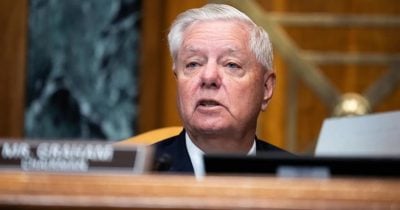
Senator Graham has indicated that the Trump administration is considering military seizure of the Strait of Hormuz if diplomatic negotiations fail, raising concerns about potential disruption to global oil markets. This geopolitical escalation could have significant implications for energy prices and broader financial markets, including cryptocurrency volatility tied to macroeconomic conditions.
The Strait of Hormuz represents one of the world's most critical energy chokepoints, with approximately 21% of global petroleum passing through its waters daily. Senator Graham's statement regarding potential military intervention signals an escalation in geopolitical tensions that extends beyond traditional diplomatic channels. This development reflects a shift toward more assertive foreign policy positioning, with the implicit threat of force as a negotiating mechanism.
Historically, the Strait of Hormuz has been a flashpoint for regional tensions, particularly between the United States and Iran. Previous incidents involving shipping disruptions have caused immediate oil price spikes, demonstrating the market's sensitivity to supply uncertainty. The current rhetoric elevates this risk profile considerably, as military action would likely trigger cascading economic effects across global markets.
For cryptocurrency and digital asset markets, geopolitical instability typically drives macroeconomic uncertainty that influences investor sentiment and capital allocation. Rising oil prices from supply disruptions increase inflation expectations, potentially affecting Federal Reserve policy decisions and interest rates. Such macro headwinds have historically created volatility in crypto markets as investors reassess risk profiles and seek safe-haven assets. Additionally, energy-intensive operations like cryptocurrency mining could face higher operational costs if oil-linked energy prices rise significantly.
Market participants should monitor diplomatic developments closely and track oil futures volatility as an early indicator of escalating tensions. Any military action or blockade would likely trigger broad-based risk-off sentiment across markets, including substantial cryptocurrency price declines during initial shock periods.
- →Strait of Hormuz controls roughly 21% of global petroleum flows, making military threats there strategically significant for energy markets
- →Geopolitical escalation typically triggers macroeconomic uncertainty that increases cryptocurrency volatility and influences investor risk sentiment
- →Oil price spikes from supply disruptions increase inflation concerns, potentially affecting Federal Reserve policy and interest rates
- →Energy-intensive sectors like crypto mining face operational cost pressures during periods of elevated energy prices
- →Diplomatic developments and oil futures prices serve as leading indicators for broader financial market movements