
Trump relaunches tariffs war after court strikes down levies
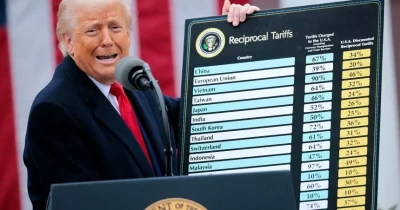
A U.S. court has struck down Trump's tariff levies, prompting the administration to relaunch its tariffs policy. The policy uncertainty and legal battles are expected to increase economic volatility, potentially driving investors toward Bitcoin and other cryptocurrencies as safe-haven assets amid macroeconomic instability.
The court's decision to invalidate Trump's tariffs represents a significant setback for the administration's trade agenda, triggering immediate policy recalibration and renewed legal battles. This development exposes underlying tensions between executive trade authority and judicial oversight, creating a prolonged period of regulatory uncertainty that typically destabilizes traditional markets. The back-and-forth nature of tariff implementation and reversal introduces unpredictability into supply chains, inflation expectations, and currency valuations—conditions that historically accelerate alternative asset adoption.
Tariff wars have historically created macroeconomic headwinds including inflation concerns, currency volatility, and equity market uncertainty. Previous tariff escalations in 2018-2019 coincided with periods of cryptocurrency appreciation as investors sought hedges against policy-driven economic disruption. The current relaunch suggests protracted trade tensions rather than swift resolution, extending the period of economic uncertainty that motivates capital diversification.
Crypto markets benefit from periods of policy instability and currency debasement concerns. Bitcoin's narrative as a non-correlated store of value gains traction when traditional monetary and fiscal policy face challenges. Traders may view current tariff volatility as justification for portfolio reallocation toward digital assets, particularly if legal proceedings continue to create implementation delays and market confusion.
The critical variable is resolution timeline. Prolonged litigation and policy uncertainty sustain bullish conditions for crypto hedging strategies. Conversely, swift legal clarity—whether favoring or opposing tariffs—would reduce the uncertainty premium driving speculative inflows. Market participants should monitor court proceedings and administration policy announcements for signals regarding tariff stability.
- →Court-struck tariffs create economic uncertainty that historically drives capital toward Bitcoin as a hedge asset.
- →Prolonged legal battles over tariff authority extend the period of macroeconomic volatility affecting traditional markets.
- →Tariff policy instability typically increases cryptocurrency demand as investors seek non-correlated safe-haven alternatives.
- →Resolution timeline—whether through court rulings or policy shifts—will determine sustained demand for crypto hedges.
- →Currency and inflation concerns stemming from tariff uncertainty reinforce Bitcoin's appeal as a monetary hedge.