
Trump administration imposes tariffs on goods from nations failing to ban forced labor
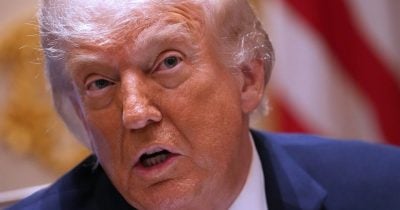
The Trump administration has implemented tariffs on goods from countries that fail to enforce bans on forced labor, a policy aimed at improving labor standards globally. The measure threatens to disrupt international supply chains, raise costs for US businesses, and inject uncertainty into trade relationships worldwide.
The Trump administration's tariff policy targeting forced labor represents a convergence of labor rights advocacy and protectionist trade strategy. By conditioning tariff exemptions on forced labor bans, the administration applies economic pressure to enforce international labor standards while simultaneously reshaping US trade relationships. This approach leverages tariffs as a compliance mechanism rather than purely a revenue or protectionist tool.
Historically, forced labor concerns in global supply chains have received fragmented enforcement through voluntary certifications and selective sanctions. This executive action escalates oversight to a systemic level, affecting all countries seeking favorable tariff treatment. The policy builds on longstanding tensions between US labor advocates and global manufacturing nations, particularly in Southeast Asia and parts of Africa where labor standards enforcement remains inconsistent.
For US businesses, the implications are substantial and dual-edged. Companies relying on cost-effective sourcing from countries with weak labor enforcement face pressure to either relocate supply chains or absorb higher tariff costs. Technology companies, apparel manufacturers, and electronics producers face particular exposure. This creates short-term cost inflation and operational disruption while potentially opening opportunities for suppliers in compliant nations.
Cryptocurrency and blockchain sectors may experience indirect effects through supply chain adjustments affecting hardware manufacturers and data center operators. Looking ahead, the critical question centers on enforcement mechanisms and compliance timelines. Countries will need to demonstrate concrete labor law changes and monitoring systems, determining whether this becomes a genuine standard-setting tool or devolves into selective political pressure.
- →Tariffs now condition on forced labor compliance, creating new leverage in global trade negotiations
- →US manufacturers face immediate cost pressures and supply chain reorganization requirements
- →Developing nations must accelerate labor standard reforms or face tariff penalties
- →Technology and manufacturing sectors experience greatest exposure to tariff disruptions
- →Policy effectiveness depends on transparent enforcement and realistic compliance timelines