
Trump threatens military action against Oman over Strait of Hormuz
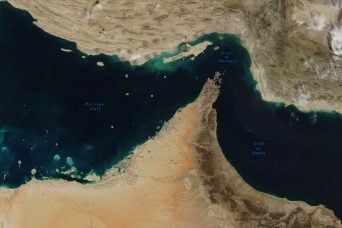
Trump has threatened military action against Oman regarding control of the Strait of Hormuz, a critical global oil chokepoint. This escalation increases regional instability and poses significant risks to global energy supply chains, with potential ripple effects across financial markets including cryptocurrency and digital assets tied to macroeconomic conditions.
The threat of military intervention in the Strait of Hormuz represents a significant geopolitical escalation with far-reaching economic consequences. The Strait of Hormuz serves as one of the world's most critical energy corridors, with approximately 21% of global petroleum consumption passing through its waters daily. Any military action or sustained tensions in this region directly impact global oil prices, which influence broader market sentiment and macroeconomic conditions that affect cryptocurrency valuations.
Historically, Middle Eastern tensions have created volatility across all asset classes. Previous confrontations involving Iran, regional proxies, and international powers have triggered sharp oil price spikes, currency fluctuations, and flight-to-safety rallies in traditional assets. Trump's rhetoric echoes patterns from his previous administration's confrontational approach to Middle Eastern policy, suggesting potential follow-through on military or economic pressure tactics.
For cryptocurrency investors and traders, regional instability typically manifests as increased market volatility and shifts in macroeconomic conditions. Rising oil prices fuel inflation concerns, prompting central banks to adjust monetary policy—a primary driver of risk asset valuations including crypto. Additionally, geopolitical uncertainty often strengthens the US dollar, which historically correlates negatively with Bitcoin and other digital assets. Market participants should monitor crude oil futures and currency movements as leading indicators.
Investors should watch for escalating rhetoric, any actual military movements, and responses from regional actors including Iran and international shipping interests. Changes to oil prices above $90-100 per barrel would signal meaningful economic impact requiring portfolio rebalancing considerations.
- →The Strait of Hormuz handles 21% of global petroleum flow, making any military action a critical economic threat
- →Geopolitical escalation typically increases oil prices and strengthens the US dollar, creating headwinds for cryptocurrency assets
- →Historical precedent suggests sustained regional tensions produce market volatility across all asset classes including crypto
- →Investors should monitor crude oil futures and USD strength as leading indicators of broader market impact
- →Diplomatic resolution remains possible but military confrontation could trigger significant macroeconomic disruption