
Trump: No fees for ships in Strait of Hormuz amid Iran negotiations
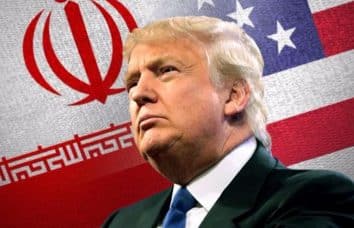
Trump has signaled support for waiving fees on ships transiting the Strait of Hormuz as part of broader Iran negotiations, potentially reducing trade friction in a critical global shipping corridor. This diplomatic posture could reshape geopolitical risk premiums affecting energy markets and cryptocurrency volatility tied to macro conditions.
Trump's proposal to eliminate tolls or fees on Strait of Hormuz shipping represents a significant shift in U.S. negotiating strategy with Iran. The Strait, through which roughly 20% of global oil passes, has been a flashpoint for regional tensions, with previous administrations using maritime leverage as a tool for diplomatic pressure. By removing financial barriers to passage, Trump appears to be prioritizing deal-making over confrontational posturing, signaling a willingness to reduce friction points that could escalate into broader conflict.
Historically, geopolitical tensions in the Middle East have created volatility spikes across risk assets, including cryptocurrency markets. Energy price shocks from disrupted shipping trigger inflationary expectations and central bank policy shifts, which cascade into crypto valuations. The 2019 tanker attacks near the Strait caused immediate oil price surges and temporary crypto weakness as investors rotated to safe-haven assets. Trump's de-escalation approach contrasts sharply with previous maximum-pressure tactics, potentially reducing tail-risk premiums that have inflated volatility.
For crypto markets, a more stable geopolitical environment typically correlates with reduced safe-haven demand and lower macro volatility. However, successful Iran negotiations could also influence broader U.S. sanctions policy, affecting crypto adoption in sanctioned jurisdictions and offshore finance flows. Energy security improvements may ease inflation concerns, supporting risk-on sentiment. Traders should monitor whether these negotiations progress, as breakthrough deals could trigger sustained rallies in growth-oriented assets, while negotiation breakdowns would reverse the de-escalation narrative.
- →Trump's fee waiver proposal signals strategic de-escalation in Middle East tensions, reducing geopolitical risk premiums
- →Stable Strait of Hormuz transit reduces energy price volatility, a key macro driver of crypto market swings
- →Successful Iran negotiations could ease sanctions policy, affecting crypto adoption in restricted regions
- →De-escalation typically supports risk-on sentiment and growth assets, potentially benefiting broader crypto markets
- →Monitor negotiation progress as a barometer for macro stability and volatility expectations