
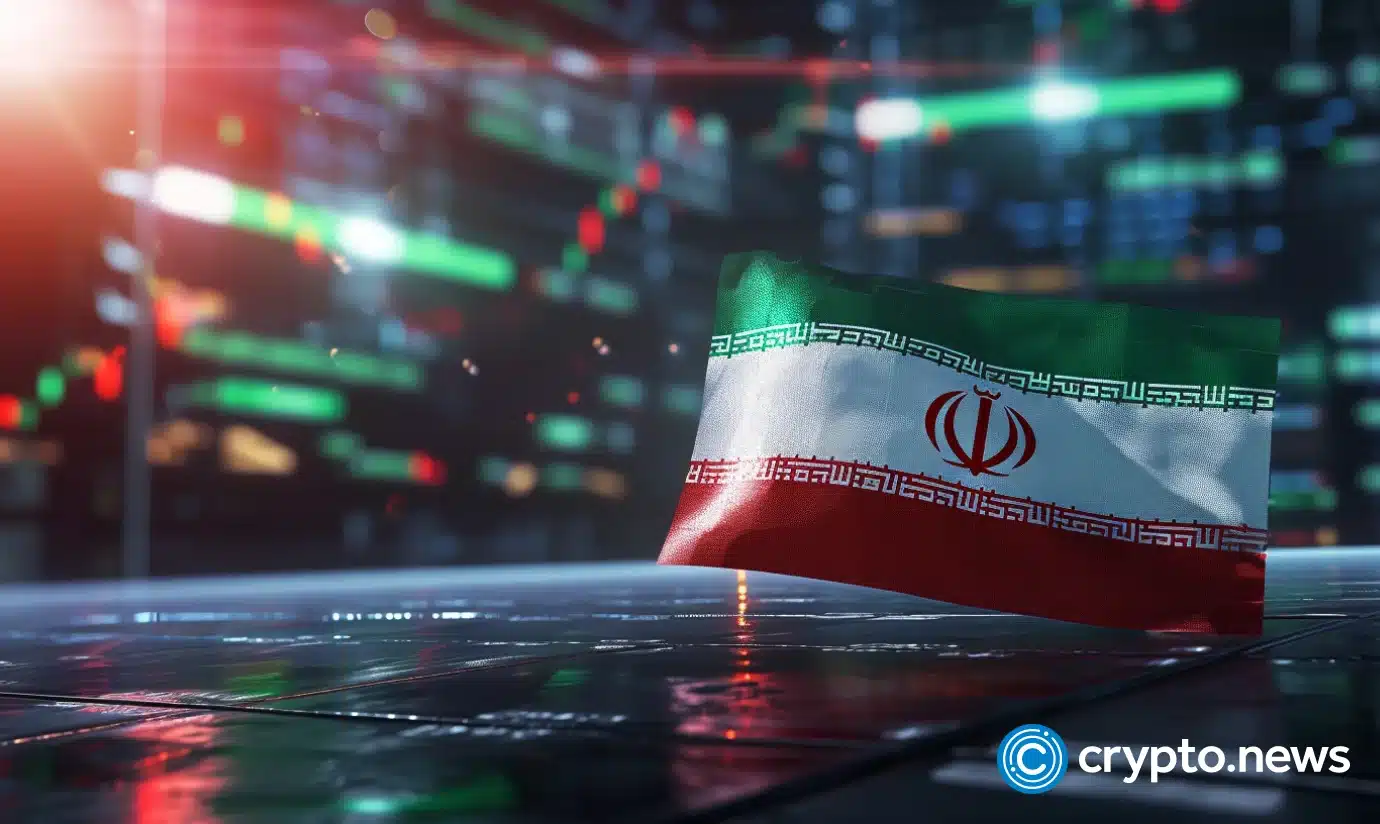
President Trump warned of renewed US military strikes against Iran amid escalating tensions following a reported helicopter incident, prompting immediate oil price increases. The threat reflects renewed geopolitical risk in the Middle East, with potential implications for global energy markets and risk asset valuations.
Trump's warning of additional strikes on Iranian targets represents a significant escalation in US-Iran tensions, occurring after recent American military operations in response to a helicopter incident. This rhetoric signals the administration's willingness to pursue aggressive foreign policy objectives while simultaneously using military threats as leverage in negotiations. The timing and public nature of these warnings suggest a deliberate strategy to apply pressure on Tehran while demonstrating resolve to domestic and international audiences.
Historically, US-Iran confrontations have created volatility in global energy markets due to Middle East supply chain concerns. Previous escalations, including the 2020 Soleimani assassination and subsequent Iranian retaliation, triggered oil price spikes and risk-off sentiment across asset classes. The current situation follows years of fluctuating tensions since the 2015 nuclear deal withdrawal, establishing a pattern where military rhetoric directly correlates with commodity price movements.
Market participants responded immediately to the strikes announcement through crude oil price increases, reflecting legitimate concerns about potential supply disruptions. Energy-dependent sectors and oil-importing nations face headwinds from higher commodity costs, while energy producers benefit. Cryptocurrency markets typically experience volatility during geopolitical crises as investors reassess macro risk, with Bitcoin often serving as a hedge against currency devaluation during conflict scenarios.
Monitoring developments requires attention to potential Iranian retaliation methods, diplomatic progress on negotiations, and whether rhetoric translates into sustained military operations. The critical variable remains whether escalation remains contained or expands regionally, with broader implications for global economic stability and energy security.
- →Trump's strike warnings immediately elevated oil prices, reflecting market concerns about Middle East supply disruptions.
- →US-Iran military tensions historically correlate with increased volatility across energy, equities, and alternative assets including crypto.
- →The threat appears designed as negotiating leverage while signaling resolve, suggesting diplomatic channels remain partially open.
- →Energy-dependent economies face cost pressures while crude producers gain pricing power from geopolitical risk premium.
- →Cryptocurrency markets may experience defensive positioning as investors hedge macro uncertainty during escalating conflicts.