
Trump administration submits $88B supplemental budget request to Congress
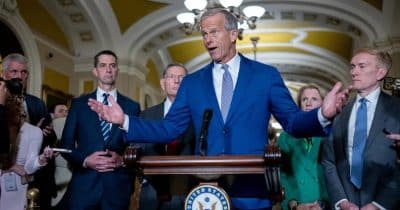
The Trump administration has submitted an $88 billion supplemental budget request to Congress, emphasizing military spending prioritization. This move signals potential constraints on domestic programs and reflects broader fiscal policy tensions that could indirectly influence macroeconomic conditions affecting asset markets, including cryptocurrency and digital assets.
The Trump administration's $88 billion supplemental budget request represents a significant fiscal statement prioritizing defense expenditures during a period of elevated geopolitical tensions. The timing and scale of this request underscore the administration's commitment to military spending even as the nation grapples with existing debt levels and budgetary pressures. This capital allocation decision typically comes at the expense of discretionary domestic spending, creating ripple effects across multiple sectors of the economy.
Historically, large military budget allocations correlate with periods of heightened international instability or defense posturing. The current request follows months of evolving geopolitical dynamics and reflects concerns about global security positioning. Such supplemental requests often face congressional scrutiny regarding fiscal responsibility, particularly given existing deficit levels and inflation considerations that continue to shape monetary policy decisions.
For cryptocurrency and digital asset markets, large government spending initiatives carry macroeconomic implications. Increased military expenditures can contribute to inflation pressures, influence Federal Reserve policy decisions, and affect overall capital allocation flows between traditional and alternative assets. Investors monitor such fiscal developments as indicators of future monetary policy trajectories and real interest rates, which directly impact risk asset valuations including cryptocurrencies. The potential crowding-out effect on domestic programs could also influence technology sector funding and innovation investment trends.
Market participants should track congressional responses to this request, amendment proposals, and any concurrent discussions about fiscal reform or spending constraints. The eventual allocation decisions will provide clearer signals about the government's long-term fiscal stance and its implications for inflation, interest rates, and asset market dynamics throughout 2025.
- →Trump administration requests $88B supplemental budget with emphasis on military spending prioritization
- →Large defense expenditures may constrain domestic programs and influence fiscal policy debates in Congress
- →Military budget increases historically correlate with inflation pressures and impact monetary policy decisions
- →Cryptocurrency markets respond to macro fiscal signals as indicators of future interest rate and inflation trajectories
- →Congressional approval process and amendment discussions will signal government's broader fiscal priorities