
Trump’s dissatisfaction dims Iran leadership change, ceasefire prospects
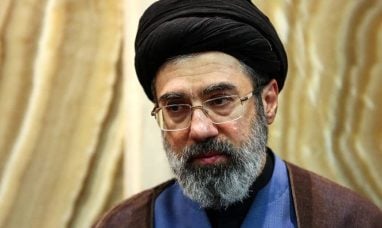
Trump's dissatisfaction with Iran's leadership transition is reducing prospects for diplomatic resolution and ceasefire negotiations in the region. This stance risks prolonging US-Iran tensions, which could destabilize regional markets and create broader geopolitical uncertainty affecting global asset prices.
Trump's public criticism of Iran's internal political developments signals a hardening of US diplomatic posture toward Tehran, diminishing near-term prospects for de-escalation. The statement indicates the administration views recent leadership changes unfavorably, potentially conditioning future negotiations on outcomes the Iranian government cannot control. This approach contrasts with traditional diplomatic strategies that leverage internal transitions as opportunities for dialogue.
Historically, US-Iran tensions have oscillated between periods of hostility and strategic engagement. The current trajectory echoes earlier phases of Trump's first term, characterized by the withdrawal from the JCPOA nuclear deal and maximum pressure sanctions campaigns. Regional instability has consistently created market volatility, with energy prices particularly sensitive to geopolitical risk premiums in the Persian Gulf.
Cryptocurrency and risk assets typically respond negatively to sustained geopolitical tensions. If US-Iran hostilities escalate, investors may seek safe havens in gold and government bonds while reducing exposure to volatile sectors. Energy market volatility could impact inflation expectations, influencing Federal Reserve policy and cryptocurrency valuations tied to macroeconomic conditions. Blockchain projects dependent on stable international commerce may face supply chain disruptions affecting development and adoption timelines.
Observers should monitor diplomatic statements from both governments for signs of either escalation or negotiation openings. Any military incidents or new sanctions announcements would trigger immediate market repricing across risk assets including cryptocurrencies. The sustainability of current US policy depends on domestic political factors and broader Middle East dynamics, including reactions from regional allies and adversaries.
- →Trump's negative stance on Iran's leadership transition reduces likelihood of near-term diplomatic breakthroughs
- →Prolonged US-Iran tensions create geopolitical risk premiums affecting energy prices and global markets
- →Cryptocurrency and volatile assets typically decline during sustained geopolitical crises due to risk-off positioning
- →Regional instability disrupts international commerce patterns relevant to blockchain development and adoption
- →Future escalation or new sanctions would trigger immediate repricing across risk asset classes