
Trump’s potential Islamabad visit coincides with drop in US-Iran peace deal odds
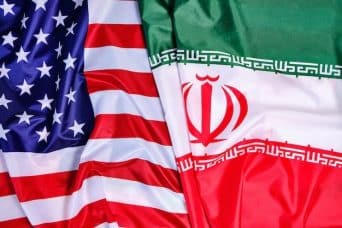
Trump's potential visit to Islamabad coincides with declining odds for a US-Iran peace deal, signaling heightened geopolitical tensions. The deteriorating diplomatic prospects create market uncertainty that could influence cryptocurrency volatility and investor risk appetite.
The convergence of Trump's Islamabad visit announcement with reduced US-Iran peace deal probabilities underscores escalating geopolitical fragmentation in a strategically critical region. This timing matters because diplomatic breakdowns typically precede periods of heightened uncertainty, affecting broader macroeconomic conditions that influence crypto asset valuations. When international tensions rise, traditional markets experience volatility, often prompting institutional investors to reassess portfolio allocations across multiple asset classes including digital assets.
Historically, Middle Eastern geopolitical crises have created risk-off sentiment in markets, with investors rotating toward safe-haven assets. However, the relationship between geopolitical events and cryptocurrency markets has evolved. Bitcoin and other crypto assets have occasionally served as non-correlated hedges during periods of diplomatic tension, though their primary drivers remain monetary policy, inflation expectations, and macroeconomic fundamentals. The US-Iran relationship specifically impacts oil markets, which in turn influence inflation and central bank policy trajectories—both crucial variables for crypto asset pricing.
For cryptocurrency investors and traders, this development warrants monitoring for its indirect effects rather than direct causation. Deteriorating US-Iran relations could contribute to broader risk-averse market conditions, potentially triggering liquidations in leveraged crypto positions. Conversely, escalating geopolitical uncertainty sometimes drives interest in decentralized financial infrastructure perceived as geopolitically neutral. Energy markets warrant close observation, as oil price movements driven by Middle Eastern tensions directly correlate with inflation expectations and real interest rates, which significantly influence crypto valuations.
- →Declining US-Iran peace deal odds signal increased geopolitical risk in a strategically important region
- →Diplomatic deterioration typically precedes periods of market volatility affecting multiple asset classes
- →Cryptocurrency markets may experience indirect effects through oil price movements and inflation expectations
- →Investors should monitor safe-haven flows and risk sentiment rather than expecting direct crypto price catalysts
- →Geopolitical tensions create conditions favoring both flight-to-safety and alternative asset exploration depending on market structure