
TSMC CEO says Arizona land parcels will meet needs for next decade
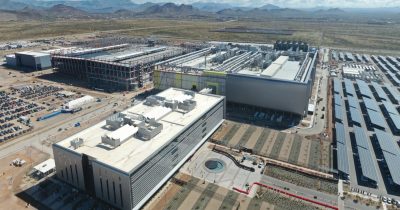
TSMC's CEO confirms that the company's Arizona land parcels provide sufficient capacity to meet manufacturing needs for the next decade, underscoring the strategic shift toward U.S. semiconductor production. This expansion reflects growing geopolitical focus on domestic semiconductor security and represents a significant commitment to North American tech infrastructure.
TSMC's confirmation of adequate Arizona land capacity signals a major pivot in global semiconductor manufacturing strategy. The Taiwan-based foundry, which produces chips for major tech companies including those in the AI sector, is establishing substantial U.S. manufacturing presence amid mounting pressure from policymakers to reduce dependence on Asian production. This decision directly responds to supply chain vulnerabilities exposed during recent semiconductor shortages and geopolitical tensions around Taiwan.
The expansion builds on years of U.S. government incentives, including the CHIPS Act, designed to reshore critical semiconductor manufacturing. TSMC's commitment demonstrates that these policies are achieving their intended effect, attracting major foundries away from traditional hubs. The Arizona facilities will produce advanced chips essential for AI infrastructure, cloud computing, and consumer electronics.
For the technology and investment ecosystem, this development strengthens U.S. technological autonomy while creating regional economic benefits through job creation and supplier development. The decade-long horizon provides stability for investors betting on domestic semiconductor growth and reduces perceived risks around Taiwan-related disruptions. However, this also represents a significant capital allocation that competitors like Samsung and Intel must match to maintain market position.
Industry observers should monitor whether other foundries announce comparable U.S. expansions, TSMC's actual capex spending in Arizona, and how this reshoring trend affects global chip pricing and allocation patterns. The long-term implications extend beyond semiconductors to broader questions about technology supply chain resilience and national security policy.
- →TSMC's Arizona expansion is confirmed sufficient to meet decade-long manufacturing requirements, strengthening U.S. semiconductor independence
- →The expansion reflects geopolitical priorities around Taiwan supply chain risks and government incentives like the CHIPS Act
- →Arizona facilities will produce advanced chips critical for AI infrastructure and cloud computing sectors
- →The commitment signals confidence in long-term U.S. semiconductor demand and policy stability
- →Competitive pressure may accelerate similar announcements from Samsung, Intel, and other major foundries