
TSMC CEO C.C. Wei highlights Taiwan’s strong AI advantage, calls it nearly impossible to challenge
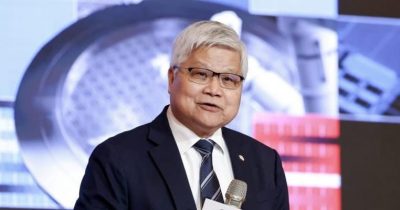
TSMC CEO C.C. Wei asserts that Taiwan's dominance in AI chip manufacturing is nearly impossible for competitors to challenge, underscoring the island's strategic advantage in global semiconductor supply chains. This statement reinforces Taiwan's critical role in the AI infrastructure ecosystem and highlights the geopolitical implications of chip production concentration.
TSMC's leadership claiming near-insurmountable competitive advantages in AI chip production reflects the current reality of semiconductor manufacturing consolidation. The company controls approximately 54% of the global foundry market and dominates advanced chip production at the cutting edge of process nodes required for AI accelerators and GPUs. Wei's comments signal confidence in maintaining technological leadership while implicitly warning competing nations and companies of the difficulty in replicating Taiwan's ecosystem.
Taiwan's AI chip advantage stems from decades of accumulated expertise, massive capital investments, and a vertically integrated supply chain that includes materials suppliers, equipment manufacturers, and design partners. The island's semiconductor cluster in Hsinchu represents the world's most sophisticated chip manufacturing infrastructure, with barriers to entry that extend beyond pure technology to include talent pools, regulatory frameworks, and geopolitical stability perceptions.
This dominance carries significant implications for global AI development trajectories. Nations and companies dependent on TSMC for AI chips face potential supply constraints and geopolitical vulnerabilities. The U.S., through initiatives like the CHIPS Act, and China, through massive subsidies, are racing to reduce this dependency, though experts estimate it will take years before alternatives achieve comparable technological capability. For cryptocurrency and blockchain infrastructure reliant on advanced chips for validation and mining operations, TSMC's continued dominance directly impacts hardware costs and decentralization potential.
Looking forward, watch for escalating investment announcements from competitors like Samsung and Intel, geopolitical tensions affecting Taiwan's status quo, and whether TSMC's assertions hold as other fabs ramp production of advanced nodes. The chip manufacturing concentration risk remains a critical factor in global AI infrastructure resilience.
- →TSMC controls over half the global foundry market with near-monopoly status in advanced AI chip production
- →Taiwan's semiconductor ecosystem creates multi-year competitive advantages that competitors cannot quickly replicate
- →Geopolitical risks around Taiwan's autonomy create supply chain vulnerabilities for global AI development
- →Alternative chip manufacturers investing heavily but remain years behind in achieving cutting-edge AI node production
- →Cryptocurrency and blockchain operations face hardware cost implications tied to TSMC's dominant market position