
Tui Cruises ships transit Strait of Hormuz amid 2026 Iran war
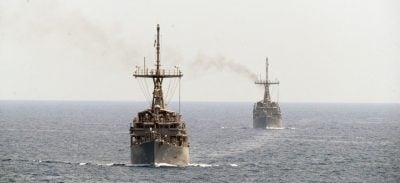
Tui Cruises ships have transited the Strait of Hormuz during escalating tensions, suggesting either de-escalation or selective permission from Iranian authorities. This development carries implications for geopolitical stability and global market confidence, particularly affecting shipping routes and regional security perceptions.
The transit of commercial cruise vessels through the Strait of Hormuz represents a critical barometer for regional tensions and international relations. The Strait remains one of the world's most strategically important waterways, with roughly one-third of global seaborne petroleum passing through it annually. When major shipping operators resume or maintain transit during periods of heightened geopolitical risk, markets typically interpret this as a signal of either de-escalation or tacit agreement between parties.
Historically, the Strait has been a flashpoint between Iran and Western powers, with previous incidents involving vessel seizures, drone confrontations, and sanctions escalation. The continuation of commercial shipping despite 2026 tensions suggests either implicit negotiations, international pressure maintaining corridor access, or a deliberate signal from Iran that economic blockades remain selective rather than comprehensive. This nuance matters significantly for global commodity markets and shipping insurance premiums.
For cryptocurrency and financial markets, geopolitical stability directly influences risk sentiment and energy prices. Oil price volatility stemming from Strait disruptions cascades through inflation expectations, central bank policy, and thus cryptocurrency valuations as investors reassess macro risk. Cruise operators like Tui typically route vessels through the Strait only when insurance costs and security assessments justify the passage, making their operational decisions market-signaling events.
Investors should monitor whether transits continue or escalate, as sustained shipping indicates stabilizing conditions, while sudden disruptions would signal rapidly deteriorating risk environments. The relationship between regional stability and crypto market volatility remains pronounced, with geopolitical crises historically driving capital toward defensive assets and away from risk-on positions.
- →Cruise ship transits signal cautious de-escalation or selective geopolitical permissions rather than comprehensive regional war
- →Strait of Hormuz access directly impacts global oil prices and inflation expectations, which influence crypto valuations
- →Commercial shipping operators only route vessels through contested zones when risk-reward calculations favor passage
- →Sustained transits indicate stabilizing conditions, while disruptions would trigger rapid risk-off asset rotation
- →Geopolitical tensions in key chokepoints historically correlate with increased cryptocurrency volatility and defensive positioning