
UAE calls for maximum pressure on Iran’s IRGC amid military tensions
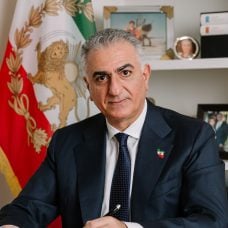
The UAE has escalated its rhetoric calling for maximum pressure on Iran's Islamic Revolutionary Guard Corps (IRGC) amid rising military tensions in the region. This geopolitical development could increase regional instability, potentially affecting market sentiment, diplomatic negotiations, and military dynamics that influence broader economic and financial markets.
The UAE's escalated stance toward Iran's IRGC represents a significant shift in regional diplomatic posturing that extends beyond traditional Middle Eastern politics. This move signals intensifying military tensions in one of the world's most strategically important regions, home to critical energy infrastructure and shipping routes essential to global commerce. The call for maximum pressure suggests the UAE is aligning with international efforts to constrain Iranian military capabilities, potentially in coordination with Western allies and regional partners.
Historically, Iran-UAE tensions have fluctuated, but recent years have seen complex dynamics including the Abraham Accords normalization agreements alongside persistent security concerns. The IRGC designation as a terrorist organization by several nations already constrains its financial operations and international partnerships. The UAE's amplified rhetoric may indicate deteriorating security assessments or responses to specific provocative actions by Iranian forces.
For financial markets, geopolitical escalation in the Persian Gulf carries substantial implications. Regional instability typically increases oil price volatility, which ripples through energy-linked cryptocurrencies and broader market sentiment. Risk-off sentiment during geopolitical crises often triggers capital flight to safe-haven assets, affecting crypto market dynamics. Additionally, any escalation toward military conflict could trigger international sanctions mechanisms that impact financial systems and digital asset trading platforms operating in affected regions.
Market participants should monitor developments for potential sanctions announcements, shipping disruption risks in the Strait of Hormuz, and statements from international mediators. The trajectory of this tension will likely influence risk premiums across commodities and crypto markets over coming weeks.
- →UAE escalates pressure on Iran's IRGC amid military tensions, signaling intensifying regional instability
- →Persian Gulf geopolitical escalation typically drives oil price volatility and risk-off cryptocurrency market sentiment
- →Potential for additional international sanctions could impact financial systems and crypto trading platforms
- →Critical shipping routes through Strait of Hormuz remain vulnerable to disruption from military tensions
- →Market participants should monitor diplomatic developments and international responses for trading implications