
UAE exits OPEC after nearly 59 years, escalating tensions with Saudi Arabia over oil production
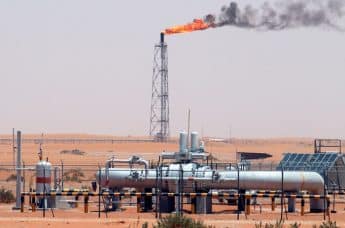
The UAE has withdrawn from OPEC after 59 years of membership, marking a significant geopolitical shift that escalates tensions with Saudi Arabia over oil production policy. This exit could reshape global oil markets by potentially lowering prices and signaling the UAE's strategic pivot toward economic diversification beyond hydrocarbon dependence.
The UAE's departure from OPEC represents a watershed moment in Middle Eastern energy politics and global oil market dynamics. This decision, driven by disagreements over production quotas and strategic direction with Saudi Arabia, demonstrates deepening rifts within the cartel and signals shifting priorities in Gulf state geopolitics. The move reflects the UAE's frustration with OPEC's collective constraints on its oil output expansion ambitions and its desire for greater autonomy in energy policy.
Historically, OPEC has functioned as a production-control mechanism to stabilize global oil prices, with Saudi Arabia as the de facto leader. The UAE's exit breaks this consensus and follows years of tension regarding production agreements. The broader context includes the UAE's economic diversification strategy, reducing reliance on oil revenues through investments in renewable energy, technology, and financial services—positioning the country for post-hydrocarbon prosperity.
Market implications are substantial. Without OPEC's production discipline, increased UAE oil output could exert downward pressure on global crude prices, benefiting oil-importing economies and consumers but pressuring commodity-dependent nations and producers. For cryptocurrency and blockchain investors, lower oil prices typically reduce energy costs for mining operations, potentially improving profitability and network sustainability. Additionally, geopolitical uncertainty often drives capital toward alternative assets like cryptocurrencies as hedges.
Monitoring developments includes watching whether other OPEC members follow, how Saudi Arabia responds to maintain cartel cohesion, and the trajectory of global oil prices. The UAE's move may accelerate energy market fragmentation and accelerate transitions toward alternative energy solutions, creating opportunities for green energy projects and blockchain-based energy trading platforms.
- →UAE exits OPEC after 59 years, breaking consensus on oil production coordination with Saudi Arabia
- →The withdrawal enables UAE to increase oil output independently, potentially lowering global crude prices
- →Lower energy costs could improve cryptocurrency mining profitability across networks
- →The move signals the UAE's strategic pivot toward economic diversification beyond oil revenues
- →Increased geopolitical uncertainty may drive investor interest toward cryptocurrency as alternative assets