
UAE exits OPEC, strengthens US-Israel ties amid Iran tensions
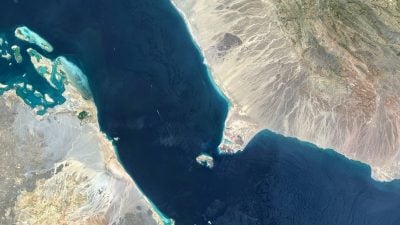
The UAE has exited OPEC and strengthened diplomatic ties with the US and Israel, a geopolitical shift that risks destabilizing the Middle East and disrupting global energy markets. This realignment reflects broader regional tensions with Iran and could have cascading effects on oil supply stability and cryptocurrency markets sensitive to macroeconomic shocks.
The UAE's departure from OPEC represents a significant realignment in Middle Eastern geopolitics with substantial implications for global energy markets. By distancing itself from the cartel while simultaneously strengthening relations with the US and Israel, the UAE is betting on security partnerships over traditional OPEC coordination. This move signals confidence in US military presence in the region while simultaneously challenging Iran's regional influence, a calculation that carries substantial risks.
Historically, OPEC has functioned as a stabilizing force in oil markets through coordinated production decisions. The UAE's exit weakens this mechanism, particularly as tensions with Iran escalate. The Abraham Accords already normalized UAE-Israel relations, but this geopolitical deepening suggests the UAE views containment of Iranian influence as more valuable than OPEC membership. This strategic recalibration mirrors broader trends of regional bloc fragmentation and US-led realignment against Iranian interests.
For cryptocurrency and digital asset markets, geopolitical instability directly impacts macroeconomic conditions. Oil price volatility from OPEC fragmentation creates inflation concerns and central bank policy uncertainty, which historically suppresses risk-on assets like Bitcoin and Ethereum. Disrupted energy security in the Persian Gulf could trigger safe-haven flows into both traditional assets and cryptocurrency, depending on broader market sentiment.
Investors should monitor escalating Iran tensions, potential military confrontations, and OPEC's stability over the coming months. Any supply disruption in the Strait of Hormuz—through which 20% of global oil flows—would immediately impact crude prices and create significant volatility across traditional markets and cryptocurrencies.
- →UAE's OPEC exit weakens cartel coordination and increases oil market volatility risk
- →Strengthened US-Israel ties position the UAE as a strategic bulwark against Iranian expansion
- →Geopolitical instability typically creates macro headwinds that suppress cryptocurrency valuations
- →Persian Gulf supply routes remain vulnerable to disruption, with cascade effects on global markets
- →Regional bloc fragmentation reduces predictability in energy policy and macroeconomic conditions