
UAE distrusts Iran over Hormuz, complicates US-Iran peace efforts
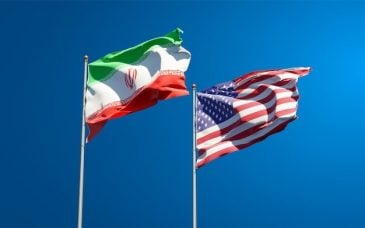
Rising tensions between the UAE and Iran over the Strait of Hormuz are undermining US-Iran diplomatic negotiations, threatening to escalate regional instability. This geopolitical friction could disrupt global oil transit routes and create macroeconomic volatility that affects energy markets and crypto valuations.
The UAE's growing distrust of Iran regarding control and security of the Strait of Hormuz represents a critical friction point in broader Middle Eastern geopolitics. The strategic waterway through which roughly 20% of global oil passes has long been a flashpoint, and renewed tensions suggest diplomatic channels between Washington and Tehran face significant obstacles. This distrust likely stems from Iran's historical assertiveness in the region, including naval exercises and alleged threats to shipping lanes, which directly concern UAE's economic interests and security apparatus.
Historically, the Strait of Hormuz has been leveraged as a geopolitical tool, with Iran periodically threatening to restrict passage during tensions. The current discord reflects deeper mistrust that transcends bilateral relations—it indicates regional powers see little reason to trust Iranian guarantees about maritime security. The UAE's skepticism effectively complicates any US-Iran nuclear or sanctions relief negotiations, as regional allies demand assurances that cannot easily be provided.
For crypto and financial markets, geopolitical instability in the Middle East correlates with oil price volatility and broader macroeconomic uncertainty. Energy markets directly influence inflation expectations and Federal Reserve policy, which in turn affect cryptocurrency valuations and risk sentiment. Sustained tensions could drive oil prices higher, intensify inflationary pressures, and prompt flight-to-safety behavior in crypto markets. Investors should monitor escalation indicators and sanctions developments, as these directly influence energy costs and macro conditions affecting digital asset pricing.
- →UAE's distrust of Iran over Hormuz security is complicating ongoing US-Iran diplomatic negotiations
- →The Strait of Hormuz handles approximately 20% of global oil transit, making disruptions economically significant
- →Regional instability threatens energy market stability and global macroeconomic conditions
- →Geopolitical tensions in the Middle East typically correlate with oil volatility and cryptocurrency market corrections
- →Investors should monitor regional escalation and potential sanctions as risk factors affecting asset markets