
UAE strikes Iranian refinery on Lavan Island amid escalating tensions
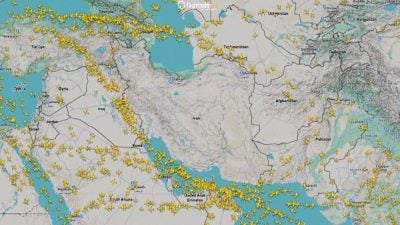
The UAE conducted military strikes on an Iranian refinery on Lavan Island, escalating regional tensions between the two countries. The conflict threatens airspace closures and disruptions to global oil supply chains, with potential ripple effects across energy markets and cryptocurrency volatility.
The UAE's strike on Iran's Lavan Island refinery represents a significant escalation in direct military confrontation between two major Middle Eastern powers. This action moves beyond diplomatic tensions into kinetic conflict, signaling a breakdown in regional stability mechanisms. The strike targets critical energy infrastructure, suggesting both sides are willing to risk broader economic consequences in pursuit of strategic objectives.
UAE-Iran tensions have simmered for years over territorial disputes, maritime boundaries, and proxy conflicts across the region. Recent escalations in the Red Sea, involving Houthi attacks on shipping and broader geopolitical realignment following Middle East conflicts, have heightened military posturing. This refinery strike represents a qualitative shift from rhetoric to direct action against each other's sovereign assets.
For energy markets, damage to Iranian refining capacity directly impacts global oil supplies already constrained by production cuts and geopolitical risks. Oil price spikes typically correlate with cryptocurrency market volatility, particularly Bitcoin and Ethereum, as investors reassess macroeconomic conditions and inflation expectations. Risk-averse capital may flee emerging markets and digital assets during periods of regional instability, while some view crypto as a hedge against currency instability stemming from economic disruption.
The immediate concern is whether this strike triggers Iranian retaliation or further UAE escalation, potentially involving broader regional actors like Saudi Arabia or Israel. Sustained conflict could force airspace closures affecting global commerce and aviation, while any blockade of the Strait of Hormuz—through which 20% of global oil passes—would create severe economic shock across all asset classes including crypto markets.
- →UAE military strike on Iranian refinery marks direct escalation beyond diplomatic tensions into kinetic conflict.
- →Damage to Iranian energy infrastructure threatens global oil supplies and triggers commodity price volatility.
- →Regional instability typically increases cryptocurrency market volatility as investors reassess macroeconomic risks.
- →Potential Strait of Hormuz disruption could create broad economic shock affecting all asset classes.
- →Geopolitical risk premium may drive both flight-to-safety and crypto-as-hedge narratives simultaneously.