
UK names Russia aggressor at UN, urges Ukraine de-escalation
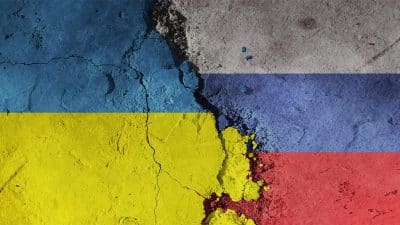
The UK formally designated Russia as an aggressor at the UN while simultaneously calling for Ukraine de-escalation, a diplomatic stance that intensifies geopolitical tensions. This move complicates ceasefire negotiations and threatens to disrupt regional commodity markets, particularly oil, with potential ripple effects across global financial markets including cryptocurrency.
The UK's dual-position rhetoric at the United Nations represents a significant escalation in diplomatic posturing toward the Russia-Ukraine conflict. By naming Russia an aggressor while urging de-escalation, the UK attempts to balance accountability with pragmatism—holding Moscow responsible while signaling openness to negotiated settlements. This contradictory stance reflects deepening divisions within Western coalitions about how to resolve the conflict and suggests consensus on unified action is fracturing.
Historically, such UN designations carry symbolic weight rather than enforcement mechanisms, but they establish legal and moral frameworks that influence subsequent sanctions and policy decisions. The UK's move follows months of diplomatic gridlock where neither side shows willingness to compromise on core demands. This stalemate has created uncertainty about conflict duration and resolution pathways, directly impacting market stability.
For cryptocurrency and broader financial markets, geopolitical escalation drives capital toward traditional safe-haven assets like gold and US Treasury bonds, potentially creating outflows from risk assets. Energy market volatility from regional instability typically triggers inflationary pressures, which historically correlate with cryptocurrency volatility. Oil price spikes reduce consumer spending power and corporate margins, creating bearish conditions for risk-on assets. The UK's statement signals that diplomatic resolution remains elusive, meaning sanctions regimes and supply chain disruptions will likely persist longer than markets previously anticipated.
Investors should monitor whether additional Western nations follow the UK's approach or seek alternative diplomatic channels. Escalation signals from major economies typically precede new sanctions rounds, which impact both traditional and crypto markets through increased capital restrictions and regulatory scrutiny.
- →UK's Russia aggressor designation escalates diplomatic tensions while complicating de-escalation efforts
- →Prolonged geopolitical uncertainty typically triggers energy market volatility and inflation concerns
- →Risk assets including cryptocurrencies face headwinds when safe-haven demand increases during crises
- →Fractured Western consensus on conflict resolution suggests longer-term sanctions and market disruption
- →Capital flows likely shifting toward traditional safe-havens rather than alternative investments