
UK, France to lead multinational mission for Hormuz ship escorts
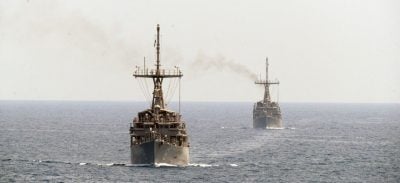
The UK and France are leading a multinational maritime security mission to escort ships through the Strait of Hormuz, a critical global oil trade chokepoint. The initiative represents a shift toward collaborative international approaches to securing vital shipping routes that impact global energy markets and economic stability.
The UK and France spearheading a multinational escort mission in the Strait of Hormuz signals a pivotal moment in maritime geopolitics. The Strait of Hormuz represents one of the world's most strategically important chokepoints, with roughly 30% of seaborne traded oil passing through its waters. Disruptions here have immediate ripple effects across global energy markets, affecting oil prices and consequently influencing cryptocurrency valuations that often correlate with macroeconomic uncertainty.
This collaborative approach emerges from escalating regional tensions and growing piracy concerns that threaten international commerce. European nations recognizing their economic interdependence on stable oil supplies are moving beyond unilateral naval deployments toward coordinated multilateral efforts. This represents a pragmatic acknowledgment that regional security challenges require collective action rather than isolated interventions.
For cryptocurrency and financial markets, stable oil supply chains reduce inflationary pressures and currency volatility that typically benefit risk assets like crypto during uncertainty. A successfully maintained shipping corridor through Hormuz could support calmer energy markets, reducing the geopolitical risk premium that sometimes drives investors toward Bitcoin and other alternative assets. Conversely, mission failures could trigger energy price spikes, inflation concerns, and broader market volatility.
Market participants should monitor the mission's effectiveness and any escalations in regional tensions. Sustained maritime security cooperation could stabilize energy markets, while any incidents involving escort vessels could trigger immediate commodity and crypto market reactions. The success of this multinational framework may also establish precedents for international cooperation on other critical infrastructure protection, influencing long-term macro stability.
- →UK and France lead multinational effort to secure the Strait of Hormuz, a critical 30% of global seaborne oil trade chokepoint.
- →Collaborative maritime security reduces regional tensions and supports energy market stability, benefiting broader financial markets.
- →Disruptions in Hormuz shipping routes create inflationary pressures that typically increase cryptocurrency volatility and risk-asset trading.
- →The mission's success could establish new precedents for international cooperation on critical infrastructure protection.
- →Crypto traders should monitor Hormuz security developments as potential catalysts for oil price movements and macroeconomic shifts.