
UK job cuts rise in March amid Iran conflict, impacting oil and Fed rate markets
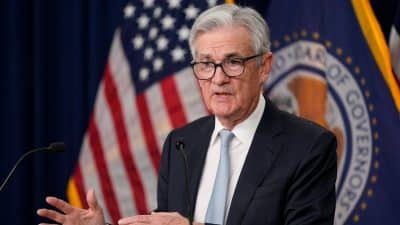
UK job cuts have risen in March amid escalating Iran-related geopolitical tensions, creating ripple effects across oil and financial markets. The resulting uncertainty about energy prices and inflation is limiting the Federal Reserve's ability to pursue aggressive rate cuts, creating headwinds for risk assets including cryptocurrencies.
The convergence of UK labor market deterioration and Middle Eastern geopolitical instability creates a complex macroeconomic backdrop. Rising job cuts signal weakening employment conditions in a major developed economy, typically a precursor to broader economic slowdown. Simultaneously, Iran-related tensions historically trigger oil price volatility, as the region controls critical global energy supply routes. When crude prices spike, inflation concerns resurface, constraining central bank policy flexibility.
This dynamic traps the Federal Reserve in a policy bind. While economic weakness from job losses might ordinarily justify rate cuts to stimulate borrowing and investment, energy-driven inflation pressures force the Fed to maintain higher rates longer than otherwise preferred. This creates stagflationary conditions—weak growth paired with persistent price pressures—that traditionally hurt risk assets hardest.
For cryptocurrency and broader markets, this environment presents dual headwinds. Higher-for-longer interest rates increase the opportunity cost of holding non-yielding assets like Bitcoin and altcoins. Oil price volatility also correlates with broader market stress, as investors de-risk portfolios during geopolitical uncertainty. The combination of employment deterioration and external shocks reduces appetite for speculative positions.
Traders should monitor three indicators: UK unemployment trends for recession signals, crude oil price movements as a geopolitical thermometer, and Fed communication regarding inflation expectations. If job losses accelerate while energy prices remain elevated, expect continued downward pressure on risk assets. Conversely, any de-escalation in Iran tensions could trigger swift rallies as inflation fears ease and rate-cut expectations resurface.
- →UK job cuts rising in March signal economic weakness while Iran tensions push oil prices higher, creating stagflationary pressure
- →The Federal Reserve faces constrained policy flexibility as inflation risks from geopolitical events limit rate-cut potential despite weakening employment
- →Higher-for-longer interest rates and elevated energy prices reduce appeal of non-yielding assets including cryptocurrencies
- →Geopolitical tensions amplify market volatility, encouraging portfolio de-risking during periods of external uncertainty
- →Traders should monitor UK unemployment data, crude oil prices, and Fed communications as key indicators of future market direction