
UK raises Strait of Hormuz threat level to critical amid security risks
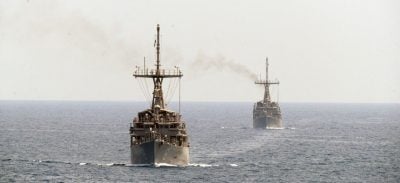
The UK has escalated the threat level for the Strait of Hormuz to critical status due to emerging security risks, raising concerns about potential maritime trade disruptions and military escalation in one of the world's most strategically important shipping corridors.
The Strait of Hormuz represents a critical chokepoint in global energy and trade infrastructure, with approximately one-third of seaborne traded oil passing through its waters daily. The UK's elevation of threat status signals serious geopolitical instability in the Middle East region, potentially reflecting tensions related to shipping attacks, naval confrontations, or broader regional conflicts. This classification typically precedes formal shipping advisories and operational changes by maritime authorities.
Historically, disruptions in the Strait have directly impacted energy markets and global supply chains. Previous incidents, including tanker seizures and drone attacks on commercial vessels, have created immediate volatility in commodity prices and broader market sentiment. The region's importance extends beyond traditional shipping—it underpins global economic stability and investor confidence in stable energy supplies.
For cryptocurrency and digital asset markets, geopolitical crises driving commodity inflation and macroeconomic uncertainty typically increase demand for alternative stores of value. Traders often view crypto assets as hedges during periods of elevated geopolitical risk, particularly when traditional risk assets face headwinds. Rising oil prices from supply disruptions can accelerate inflation concerns, potentially affecting central bank policy trajectories and creating tailwinds for assets perceived as inflation hedges.
Market participants should monitor shipping insurance premiums, crude oil price movements, and official statements from international maritime organizations for clearer signals of actual disruption risk. The distinction between elevated threat classification and actual trade disruption remains crucial—warnings alone may not trigger sustained market moves without evidence of operational impacts.
- →UK critical threat designation for Strait of Hormuz indicates serious regional security deterioration affecting global maritime trade.
- →Historical precedent shows shipping disruptions in this corridor create immediate commodity price volatility and broader market uncertainty.
- →Geopolitical risk escalation typically drives flight-to-safety behaviors that can benefit alternative assets including cryptocurrencies.
- →Energy supply chain disruptions could accelerate inflation concerns, potentially reshaping monetary policy expectations globally.
- →Actual market impact depends on whether elevated threat status translates into operational disruptions versus precautionary warnings.