
UK adds 85 new designations under Russia sanctions regime, raising stakes for crypto compliance
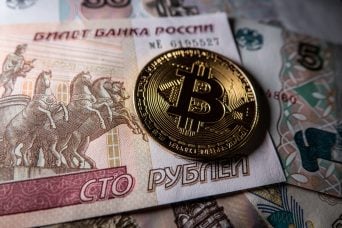
The UK has imposed 85 new sanctions designations on individuals and entities under its Russia sanctions regime, escalating regulatory pressure on cryptocurrency platforms to strengthen compliance mechanisms. This expansion signals intensifying global scrutiny of crypto's role in sanctions evasion and will likely drive stricter AML/KYC requirements across the industry.
The UK's addition of 85 new designations represents a significant escalation in the enforcement of Russia-related sanctions, directly implicating cryptocurrency exchanges and custodians as enforcement frontlines. Regulatory authorities recognize that crypto's borderless nature and pseudonymity create vulnerability to sanctions circumvention, compelling exchanges to invest heavily in transaction monitoring, identity verification, and blockchain analysis tools. This move reflects a broader geopolitical reality: Western governments view crypto compliance as essential infrastructure for maintaining sanctions effectiveness during ongoing tensions with Russia.
The timing follows years of warnings from regulators about illicit finance risks in crypto markets. Successive enforcement actions, asset seizures, and court cases have demonstrated that crypto platforms cannot operate outside traditional financial compliance frameworks. The UK's designation expansion formalizes this reality by creating explicit legal obligations for UK-regulated entities and their global counterparts serving UK customers.
For the industry, the implications are substantial. Smaller exchanges lacking sophisticated compliance infrastructure face operational risks and potential delisting from major markets. Larger platforms must continuously update their sanctions screening databases and invest in advanced forensics to identify layered transactions designed to obscure illicit transfers. These compliance costs create competitive advantages for well-capitalized firms.
Looking ahead, other jurisdictions—particularly the EU and US—are likely to follow with similar expansions. The crypto industry should anticipate increasingly granular sanctions frameworks specifically designed for digital assets, including potential restrictions on mixing services, privacy coins, and cross-border transfers to higher-risk jurisdictions. Platforms demonstrating proactive compliance will strengthen their regulatory standing and institutional relationships.
- →UK designated 85 additional entities under Russia sanctions, directly affecting crypto platform compliance obligations
- →Cryptocurrency exchanges must upgrade transaction monitoring and blockchain analysis capabilities to detect sanctions evasion
- →Smaller, under-resourced crypto platforms face operational and legal risks from tightened compliance requirements
- →The expansion signals broader geopolitical shift where crypto compliance is now central to sanctions enforcement
- →Other jurisdictions likely to follow suit, creating converging global regulatory standards for crypto AML/KYC