
UK urges swift US-Iran deal to fully reopen Strait of Hormuz without tolls
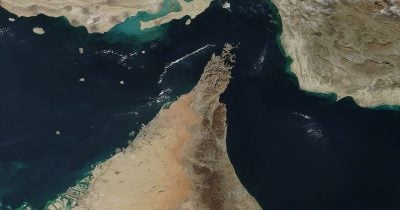
The UK is advocating for a swift US-Iran diplomatic agreement to fully reopen the Strait of Hormuz without toll mechanisms, aiming to prevent geopolitical escalation and establish a precedent against cryptocurrency-based transit fee systems. This move addresses concerns that alternative payment methods, including crypto, could be used to circumvent sanctions or create new financial barriers to global trade.
The UK's diplomatic initiative targets a critical chokepoint in global commerce where approximately 30% of seaborne traded oil passes through annually. The Strait of Hormuz has been a flashpoint for geopolitical tensions, with Iran historically using threats of closure as leverage during sanctions regimes. By pushing for a toll-free arrangement, the UK seeks to depoliticize a vital shipping corridor and prevent the emergence of non-traditional payment systems that could fragment global trade infrastructure.
This situation emerged from escalating US-Iran relations, sanctions regimes, and attempts by various parties to develop alternative financial mechanisms outside traditional banking systems. The mention of crypto-based tolls reflects broader concerns about digital assets facilitating circumvention of international agreements. Cryptocurrency's borderless nature makes it an attractive tool for sanctions evasion, prompting regulatory bodies to preemptively establish frameworks against such use cases.
For crypto markets and investors, this development signals growing regulatory scrutiny of cryptocurrency adoption in geopolitical contexts. Central banks and governments are increasingly aware of crypto's potential role in bypassing traditional financial controls, leading to stricter compliance requirements and potential restrictions on certain use cases. The UK's framing of crypto tolls as a policy risk sets a precedent for other nations to similarly restrict digital asset applications in cross-border transactions.
The coming months will reveal whether diplomatic negotiations succeed and whether the precedent takes hold internationally. This could influence how governments approach crypto regulation in trade and sanctions contexts.
- →UK advocates for toll-free Strait of Hormuz reopening to prevent geopolitical tensions and establish anti-crypto precedent
- →Regulators increasingly view cryptocurrency as a potential sanctions-evasion tool requiring preemptive policy frameworks
- →Crypto's role in cross-border transactions faces growing governmental scrutiny and potential restrictions
- →Successful diplomatic outcomes could strengthen regulatory coalitions against crypto use in sensitive geopolitical contexts
- →This signals potential future restrictions on cryptocurrency applications in international trade and transit arrangements