
UK Solana validators face up to $200K in regulatory costs by 2026
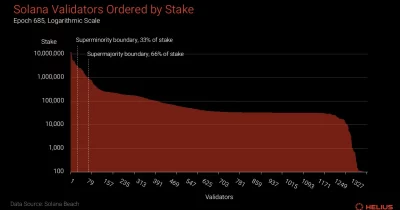
UK Solana validators face regulatory costs up to $200,000 by 2026, potentially centralizing the network as smaller operators exit due to compliance expenses. This regulatory burden threatens Solana's decentralization model and increases vulnerability to future policy changes.
The emerging regulatory landscape in the UK presents a significant operational challenge for Solana validators, particularly smaller independent operators who lack the financial resources of institutional actors. Compliance costs reaching $200,000 per validator by 2026 represent a substantial barrier to entry and continued participation, fundamentally altering the economics of network validation. This development reflects the broader shift toward regulatory scrutiny of cryptocurrency infrastructure, where authorities increasingly target validator networks and staking operations as key governance points within blockchain ecosystems.
The centralization risk stems from regulatory compliance expenses that disproportionately burden individual validators while remaining manageable for well-capitalized entities. As smaller validators exit the network due to unsustainable costs, the validator set consolidates around fewer, larger operators—typically institutional players with dedicated compliance teams. This concentration directly undermines Solana's core value proposition of decentralized validation and consensus mechanisms.
For investors and developers, this dynamic creates several concerns. A more centralized validator network increases the risk of consensus manipulation, regulatory capture, and single points of failure. Additionally, centralization around compliant institutional validators could make the network more susceptible to coordinated regulatory actions or policy shifts. The precedent being set in the UK may influence regulatory approaches globally, potentially spreading similar compliance burdens to other jurisdictions and validator networks.
Market participants should monitor how other Solana validators respond to these cost pressures and whether alternative compliance frameworks emerge. The ultimate impact depends on whether the validator community can absorb these costs without significant consolidation or whether network decentralization metrics visibly deteriorate over the next 18-24 months.
- →UK Solana validators may incur up to $200,000 in regulatory compliance costs by 2026
- →High regulatory costs risk centralizing Solana's validator network by pushing out smaller independent operators
- →Network centralization reduces decentralization and increases vulnerability to regulatory capture or coordinated policy action
- →Institutional validators with compliance infrastructure have structural advantages over independent operators
- →This UK precedent could signal regulatory trends affecting validator networks globally