
Ukraine’s blockade halts fuel sales in Russian-occupied Crimea
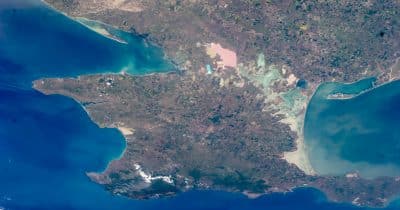
Ukraine has implemented a blockade that has halted fuel sales in Russian-occupied Crimea, intensifying the peninsula's economic isolation. The action underscores the strategic vulnerabilities of occupied territories and demonstrates the effectiveness of economic pressure as a geopolitical tool.
Ukraine's fuel blockade targeting Crimea represents an escalation in economic warfare that extends beyond traditional military confrontation. By cutting off fuel supplies to the Russian-occupied peninsula, Ukraine targets critical infrastructure dependencies and civilian economic activity, forcing Russia to divert resources for alternative supply routes. This strategy reflects a broader shift toward leveraging economic leverage in asymmetric conflicts, where smaller nations can impose significant costs on occupying powers through selective resource denial.
The blockade emerges from Ukraine's sustained resistance against Russian occupation following the 2014 annexation of Crimea. Previous attempts to isolate the peninsula through trade restrictions and infrastructure sabotage have created cumulative pressure on the regional economy. The fuel embargo specifically targets energy infrastructure, which remains essential for heating, transportation, and industrial operations in the occupied territory. This action builds upon earlier Ukrainian initiatives to sever economic ties and reduce Russia's ability to normalize control over contested regions.
For investors and market participants, the blockade signals continued geopolitical volatility in Eastern Europe with potential implications for energy markets and sanctions regimes. Energy prices remain sensitive to supply disruptions, and successful isolation strategies may inspire similar economic pressure tactics elsewhere. The cryptocurrency sector, which has gained attention as a potential sanctions-evasion tool, faces heightened scrutiny regarding its role in circumventing blockades and economic restrictions. Market participants should monitor whether Russia attempts to leverage crypto infrastructure to finance alternative supply chains into Crimea.
Looking forward, the sustainability of Ukraine's blockade depends on enforcement mechanisms and international support. If the blockade proves effective in degrading Crimea's economic viability, it may encourage additional economic pressure on other occupied territories, establishing precedent for occupation-by-attrition strategies.
- →Ukraine's fuel blockade on Crimea intensifies economic isolation of the Russian-occupied peninsula and demonstrates the effectiveness of targeted resource denial.
- →The blockade targets critical infrastructure dependencies, forcing Russia to divert resources and establish alternative supply mechanisms.
- →Energy market participants should monitor potential price impacts from supply disruptions and alternative routing strategies.
- →Cryptocurrency's potential role in sanctions evasion becomes relevant as Russia may explore crypto-based financial mechanisms to circumvent blockades.
- →The blockade establishes geopolitical precedent for economic pressure tactics on occupied territories beyond traditional sanctions.