
Ukraine deepens strikes on Russian oil targets, tensions rise
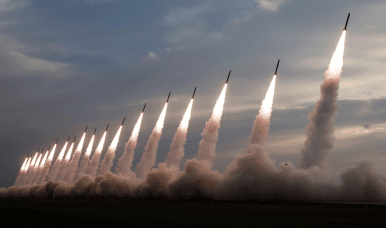
Ukraine has intensified military strikes targeting Russian oil infrastructure, escalating geopolitical tensions and undermining diplomatic resolution efforts. This escalation complicates peace negotiations and reduces the likelihood of near-term ceasefires, with potential ripple effects on global energy markets and risk sentiment.
Ukraine's deepening campaign against Russian oil facilities represents a significant shift in military strategy, targeting the energy sector to degrade Russia's economic capacity and war-fighting capability. This escalation reflects Ukrainian determination to inflict maximum strategic damage rather than pursue immediate negotiation, signaling hardened positions on both sides despite ongoing diplomatic channels.
The broader context reveals a pattern of intensifying asymmetric warfare. As conventional military advantages have stalled, both parties have expanded targeting beyond traditional combat zones. Ukraine's strikes on energy infrastructure aim to disrupt Russia's economy and reduce funding for military operations, while Russia continues strikes on Ukrainian civilian infrastructure. This cyclical escalation mirrors historical conflict patterns where diplomatic openings narrow as military costs mount.
For markets, escalating geopolitical tensions typically increase risk-off sentiment, benefiting safe-haven assets like gold and strengthening the US dollar. Energy markets face uncertainty—disruptions to Russian oil supplies could support crude prices, though global recession fears may counterbalance production concerns. Cryptocurrency markets respond negatively to heightened geopolitical risk, as investors flee risk assets and reduce leverage. The broader implication is that market volatility should persist while ceasefire prospects deteriorate.
Monitoring developments requires attention to diplomatic statements, the pace of strike escalations, and potential NATO involvement. Any direct NATO engagement or further expansion of targets would dramatically alter risk calculus and likely trigger significant market repricing across equities, commodities, and digital assets.
- →Ukrainian strikes on Russian oil targets intensify military pressure while reducing near-term ceasefire prospects
- →Escalating asymmetric warfare suggests both sides have hardened negotiating positions
- →Geopolitical tension typically triggers risk-off sentiment affecting cryptocurrency and equity markets negatively
- →Energy market disruptions could support crude prices while broader recession fears limit upside
- →Investors should monitor NATO involvement and diplomatic statement shifts as key risk indicators