
Ukraine repels massive drone swarm amid Russian strikes on critical infrastructure
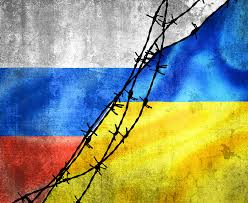
Ukraine's military repelled a large-scale Russian drone attack while Russia conducted strikes on critical infrastructure, escalating the ongoing conflict and stalling peace negotiations. This geopolitical uncertainty dampens market confidence in near-term stability and resolution, affecting risk sentiment across financial markets including cryptocurrency.
The intensification of military operations between Russia and Ukraine represents a critical juncture in the conflict, with both sides demonstrating sustained capability and willingness to escalate. Ukraine's successful defense against drone swarms indicates maintained air defense capacity, yet Russian strikes on infrastructure signal Moscow's strategy to degrade civilian and economic targets. The persistence of active hostilities directly contradicts progress toward negotiated settlements, leaving market participants uncertain about the timeline for de-escalation.
This conflict has reshaped global geopolitical risk calculus since early 2022, creating structural uncertainty that extends beyond the immediate theater. Prolonged warfare diverts capital toward defensive positioning and reduces appetite for emerging market exposure, including cryptocurrency assets traditionally viewed as risk-on investments. Energy market disruptions from infrastructure targeting influence inflation expectations and central bank policy trajectories across developed economies.
Cryptocurrency markets respond acutely to geopolitical risk indicators, with conflict escalation typically triggering capital flight toward perceived safety assets. The stalled peace talks signal extended uncertainty, potentially sustaining elevated risk premiums that suppress speculative positioning in digital assets. Institutional investors and traders monitor conflict developments as a leading indicator for macro volatility and policy responses that impact broader financial conditions.
Market participants should track ceasefire negotiations, sanctions escalation, and energy market developments as proxies for geopolitical risk trajectory. Any breakthrough in peace talks could rapidly shift sentiment toward risk-on positioning, while further escalation may reinforce defensive market positioning that pressures high-beta assets like cryptocurrencies.
- →Active military escalation and infrastructure strikes underscore geopolitical risk that typically suppresses risk-on asset demand including crypto
- →Stalled peace negotiations extend uncertainty duration, creating headwinds for market confidence and speculative positioning
- →Energy disruptions from infrastructure targeting influence inflation expectations and central bank policy, creating macro spillovers affecting all financial markets
- →Sustained conflict creates structural risk premium that favors defensive positioning over emerging and volatile asset classes
- →Ceasefire progress would represent primary catalyst for sentiment reversal toward risk assets and cryptocurrency recovery