
Ukraine plans preemptive strikes on Russian war facilities as Zelenskiy escalates offensive posture
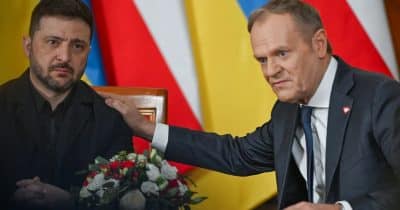
Ukraine is escalating its military strategy by planning preemptive strikes against Russian war facilities to disrupt logistics and supply chains. This shift in offensive posture aims to weaken Russian capabilities and potentially force Moscow toward negotiations, fundamentally altering the conflict's operational dynamics.
Ukraine's adoption of preemptive strike tactics represents a significant strategic shift from a primarily defensive posture to proactive offensive operations. By targeting Russian logistics infrastructure before deployment, Ukrainian forces aim to degrade Moscow's ability to sustain military operations, creating supply chain disruptions that compound over time. This approach addresses a critical asymmetry in the conflict: Russia's ability to conduct sustained operations depends heavily on intact infrastructure connecting manufacturing centers to front lines.
The escalation reflects Ukraine's improved military capabilities and intelligence gathering, enabled partly by Western military aid and intelligence sharing. Zelenskiy's willingness to publicize this strategy signals confidence in Ukrainian capabilities while potentially signaling resolve to Western allies and deterring Russian offensive preparations. Historically, such preemptive campaigns have produced mixed results—they can disrupt adversary operations but also risk escalation and broader conflict expansion.
For global markets, geopolitical conflicts of this scale typically create volatility across energy, commodities, and risk assets. Cryptocurrency markets often experience flight-to-safety movements during heightened military tensions, though the direct impact depends on escalation severity and NATO involvement. Energy markets remain particularly sensitive given Russia's significant oil and gas production, while broader macroeconomic uncertainty can suppress risk appetite across digital assets.
Market participants should monitor escalation indicators, NATO response statements, and Russian counteroffensive announcements. Any direct NATO involvement or significant civilian casualties could trigger substantial market repricing. The coming weeks will reveal whether this strategy achieves its intended negotiation pressure or instead catalyzes further military intensification.
- →Ukraine shifts to preemptive strike strategy targeting Russian logistics to disrupt supply chains and military operations.
- →Strategy aims to degrade Russian capabilities and create conditions favorable for negotiated settlement.
- →Escalation increases geopolitical risk, affecting energy markets and potentially triggering crypto volatility.
- →Success depends on sustained Western military support and intelligence sharing partnerships.
- →Market watchers should monitor NATO response and escalation indicators for broader implications.