
Ukrainian Esports Federation bans s1mple, zont1x, and 12 other players for competing alongside Russians
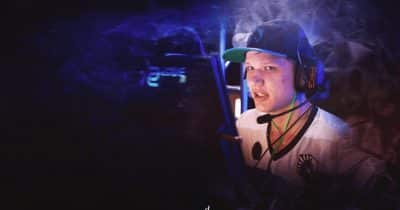
The Ukrainian Esports Federation has banned 14 professional players, including prominent Counter-Strike figure s1mple, for competing in tournaments alongside Russian players. The bans reflect geopolitical tensions between Ukraine and Russia, raising questions about whether esports organizations should enforce political boundaries or maintain competitive neutrality.
The Ukrainian Esports Federation's decision to ban 14 players for competing with Russian counterparts represents an escalation in how geopolitical conflict intersects with competitive gaming. This action targets some of esports' most accomplished professionals and signals that national esports bodies are increasingly willing to weaponize competitive participation as a political tool. The bans directly impact player careers, tournament eligibility, and sponsorship opportunities in a competitive landscape where top players depend on international events for income and ranking advancement.
Historically, esports has positioned itself as a global, merit-based arena transcending national boundaries. However, Russia's invasion of Ukraine has fractured this principle. Major esports organizations and tournament operators have already restricted Russian participation through sponsorship decisions and venue exclusions. The Ukrainian federation's ban extends this beyond institutional policy into outright competitor sanctions, establishing a precedent where national identity can override competitive qualifications.
The broader esports industry faces growing regulatory uncertainty. If other national federations adopt similar bans, the competitive ecosystem fragments into geopolitically-defined silos, potentially reducing tournament diversity and player opportunities. For investors in esports teams, tournaments, and platforms, this creates unpredictability around player eligibility and market access.
Looking ahead, the critical question is whether this remains localized to Ukrainian federation policy or becomes a broader trend. The International Esports Federation and major tournament operators will likely face pressure to clarify their stance. Players with mixed-nationality teams or competing across regions may face increasing compliance challenges, while sponsors may demand clearer political positioning from organizations.
- →14 Ukrainian esports players banned for competing alongside Russian players, affecting high-profile professionals like s1mple
- →Reflects escalating politicization of esports as national federations weaponize competitive participation in response to geopolitical conflict
- →Creates regulatory uncertainty for international tournaments and teams with cross-border rosters
- →Demonstrates tension between esports' global identity and nationalist pressures from regional bodies
- →May trigger wider industry policy changes affecting player mobility and tournament structure