
UN halts Strait of Hormuz evacuation after attack on Singaporean ship
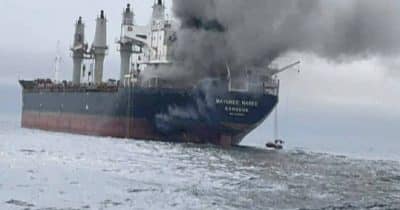
The UN suspended its evacuation operations in the Strait of Hormuz following an attack on a Singaporean vessel, underscoring deteriorating maritime security in a critical global shipping corridor. This escalation complicates diplomatic relations between the US and Iran while threatening regional stability.
The attack on a Singaporean ship and subsequent UN evacuation halt signals a dangerous inflection point in Middle Eastern geopolitical tensions. The Strait of Hormuz remains one of the world's most strategically vital waterways, with approximately 30% of seaborne traded oil passing through its narrow passages. When maritime security in this corridor deteriorates, it directly impacts global energy prices and shipping costs, creating ripple effects across financial markets.
Escalating tensions in the Strait typically correlate with previous cycles of regional conflict involving Iranian-backed entities and international maritime operations. The timing of this incident coincides with broader US-Iran diplomatic standoffs and reflects how fragile the balance remains in the Persian Gulf. Previous attacks on commercial vessels in this region have historically triggered oil price volatility and increased insurance premiums for passage.
For cryptocurrency and digital asset markets, geopolitical instability in oil-producing regions carries macroeconomic implications. Energy price shocks influence inflation expectations and central bank policy decisions, which indirectly affect risk appetite for volatile assets like crypto. Maritime disruptions also raise commodity costs globally, contributing to inflation narratives that shape monetary policy trajectories.
Market participants should monitor whether this incident escalates further or remains isolated. Sustained attacks or additional evacuations could trigger broader sanctions regimes, energy price spikes, and risk-off sentiment across risk assets. The next critical indicator will be whether diplomatic channels attempt de-escalation or if military responses escalate the situation.
- →UN halted Strait of Hormuz evacuation after a Singaporean ship was attacked, signaling escalating regional instability.
- →The Strait of Hormuz handles approximately 30% of global seaborne oil trade, making it critical to energy prices and macroeconomic stability.
- →Maritime security deterioration in the Persian Gulf historically correlates with oil price volatility and broader financial market uncertainty.
- →Geopolitical escalation affects cryptocurrency markets indirectly through inflation expectations and central bank policy decisions.
- →Future escalation or de-escalation in the region will determine impact on energy costs and risk asset valuations.