
United Nations Development Programme launches Blockchain Advisory Group with 26 member organizations
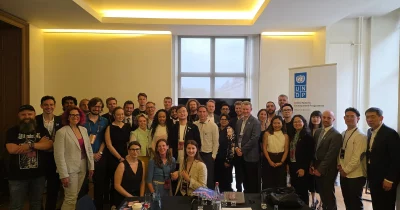
The UN Development Programme has established a Blockchain Advisory Group comprising 26 member organizations to shape global blockchain standards and policy frameworks. This initiative aims to promote ethical technology adoption and influence international blockchain governance, positioning the UN as a key player in standardizing crypto and blockchain development worldwide.
The UNDP's formation of a Blockchain Advisory Group marks a significant institutional embrace of cryptocurrency and blockchain technology at the highest levels of global governance. By assembling 26 member organizations, the UN signals that blockchain is transitioning from a speculative asset class to a development tool requiring coordinated international policy. This move reflects growing recognition that blockchain's potential extends beyond finance into identity verification, supply chain transparency, and cross-border payments—areas critical to sustainable development goals.
Historically, UN bodies have approached crypto with caution, focusing on regulatory risks and illicit financing concerns. This advisory group represents a strategic pivot toward proactive engagement rather than containment. The inclusion of diverse stakeholders—likely spanning governments, private sector firms, NGOs, and technical experts—suggests the UNDP aims to build consensus on standards that balance innovation with accountability.
For the blockchain ecosystem, this carries substantial implications. UN-backed standards could accelerate mainstream adoption by reducing regulatory uncertainty and lending legitimacy to blockchain projects aligned with development objectives. Investors may view this as a positive signal for institutional-grade blockchain infrastructure, particularly projects focused on emerging markets and financial inclusion. However, the group's emphasis on "ethical tech adoption" suggests standards may impose stricter compliance and transparency requirements than some projects currently meet.
Looking forward, the industry should monitor whether this advisory group's recommendations translate into binding international frameworks or serve as soft-law guidance. The success of this initiative depends on whether member organizations can navigate competing interests between rapid innovation and precautionary governance approaches.
- →UNDP's 26-member Blockchain Advisory Group positions the UN as a major blockchain governance player globally
- →The group aims to standardize blockchain adoption while emphasizing ethical development aligned with UN sustainability goals
- →International coordination on blockchain policy could reduce regulatory uncertainty and accelerate institutional adoption
- →Legitimate projects prioritizing compliance and transparency may benefit more than privacy-focused alternatives
- →Outcomes will determine whether recommendations become binding standards or non-binding guidance for member nations