
Russian Urals oil swings from premium to discount in Asian markets as Chinese demand cools
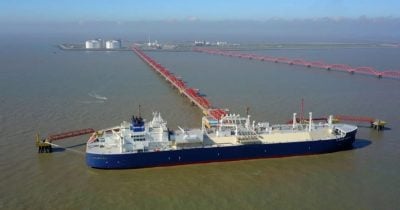
Russian Urals crude oil has shifted from trading at a premium to a discount in Asian markets due to weakening Chinese demand, exposing the risks of Russia's over-reliance on a narrow buyer base. This pricing volatility demonstrates how geopolitical supply constraints combined with demand fluctuations create market instability for alternative crude suppliers.
The swing in Urals crude pricing from premium to discount status reflects a fundamental shift in Asian energy market dynamics. Russian oil, traditionally diversified across multiple buyer nations, has become increasingly concentrated among Asian purchasers following Western sanctions, making it vulnerable to demand cycles in China specifically. When Chinese crude imports decline due to economic softening or inventory management, Russian suppliers face immediate pricing pressure with limited alternative markets available.
This situation emerged from Russia's post-2022 reorientation toward Asia after losing European customers. While Asian nations initially absorbed Russian crude at attractive terms, the arrangement created structural dependencies rather than stable long-term partnerships. Chinese refiners periodically reduce purchases for various reasons—cyclical demand fluctuations, strategic stockpiling adjustments, or improved margins elsewhere—forcing Russian producers to discount aggressively to maintain market share.
For energy markets and commodity investors, this volatility suggests crude pricing will remain unstable as long as Russia depends on a handful of Asian buyers. The concentration risk mirrors broader geopolitical fracturing of global energy markets. Traders monitoring Urals spreads face unpredictable margin compression when Chinese demand softens, while refiners benefit from occasional discount windows. This creates tactical opportunities but strategic uncertainty for long-term energy infrastructure planning.
Market watchers should monitor Chinese crude import data and inventory levels as leading indicators for Urals pricing direction. Any further cooling in Chinese economic activity could intensify discounting pressure, while demand recovery would likely restore premiums quickly, highlighting how heavily Russian supply now hinges on single-nation demand patterns.
- →Urals crude shifted from premium to discount pricing as Chinese demand for Russian oil weakened
- →Russia's heavy dependence on Asian buyers, particularly China, creates acute vulnerability to demand cycles
- →The pricing volatility exposes structural risks in over-concentrated energy supply chains
- →Chinese crude import levels now serve as the primary pricing driver for Russian oil
- →Commodity traders face increased margin volatility when Asian demand fluctuates