
Uruguay eliminated from 2026 World Cup at group stage in earliest exit since 2002
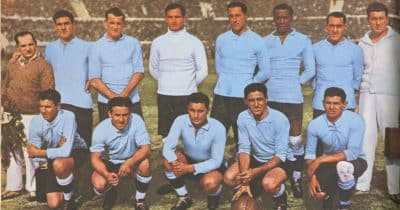
Uruguay was eliminated from the 2026 World Cup during the group stage, marking their earliest exit since 2002. The outcome reflects broader challenges that even historically competitive football nations encounter when navigating changing competitive dynamics in international sports.
Uruguay's group-stage elimination from the 2026 World Cup represents a significant shift in the South American football hierarchy. Once a powerhouse that won back-to-back World Cups in 1930 and 1950, Uruguay has faced declining competitive performance over recent decades. This 2026 exit marks their earliest tournament departure since 2002, signaling a structural challenge in maintaining competitiveness at the highest levels of international football. The result reflects how global sports competition has become increasingly democratized, with emerging nations investing heavily in player development and infrastructure while traditional powers struggle to adapt their institutional approaches.
The broader context reveals that Uruguay's struggles stem from multiple factors: limited domestic market size compared to larger nations like Argentina and Brazil, difficulties retaining top talent who migrate to European leagues, and inconsistent tournament preparation strategies. Meanwhile, nations like Colombia, Paraguay, and Ecuador have invested in modern coaching methods and youth academies, creating deeper talent pipelines. Uruguay's inability to qualify from their group suggests these structural disadvantages have accumulated beyond manageable levels.
From a sports investment perspective, Uruguay's decline affects broadcasting rights, sponsorship valuations, and fan engagement metrics across South American competitions. Historically strong merchandise and betting markets associated with Uruguayan football face contraction. The nation's football federation must now evaluate long-term strategic investments in youth development and coaching infrastructure to rebuild competitiveness. Looking forward, Uruguay's 2026 failure will likely prompt institutional reforms and increased scouting investments to compete with regional rivals, with success metrics tracked through 2028 Copa América performance and early qualification positioning for 2030 World Cup tournaments.
- →Uruguay's group-stage elimination represents the team's earliest World Cup exit since 2002, signaling sustained competitive decline.
- →Structural factors including limited domestic market size and talent retention challenges undermine Uruguay's competitiveness versus larger neighbors.
- →Emerging South American nations have modernized football infrastructure while Uruguay's institutional approach has failed to evolve accordingly.
- →The result impacts regional broadcasting rights, sponsorship valuations, and gambling market dynamics tied to Uruguayan football.
- →Institutional reforms in youth development and coaching will determine whether Uruguay can rebuild competitiveness for 2028 and 2030 competitions.