
US moves to block advanced AI chip sales to Chinese entities
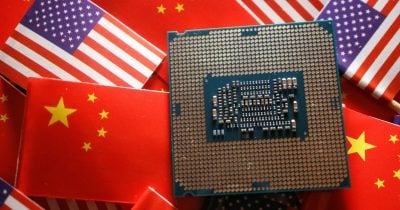
The US is implementing restrictions on advanced AI chip exports to Chinese entities, a geopolitical move with significant implications for global semiconductor supply chains and emerging decentralized GPU networks. This policy shift could reshape the competitive landscape in artificial intelligence development and create opportunities for alternative computing infrastructure solutions.
The US export restrictions on advanced AI chips to China represent an escalation in technological protectionism, stemming from national security concerns about AI capability concentration and military applications. This policy builds on earlier semiconductor export controls and reflects broader US-China competition for AI dominance. The restrictions target cutting-edge processors essential for training large language models and other compute-intensive AI workloads, forcing Chinese entities to seek alternative suppliers or develop domestic alternatives.
The semiconductor market faces immediate disruption as major chip manufacturers navigate compliance requirements and reduced addressable markets. Companies like NVIDIA, which derive significant revenue from Chinese customers, may face short-term sales declines. However, the restriction could accelerate demand for alternative solutions, including decentralized GPU networks and edge computing infrastructure that operate outside centralized control frameworks.
For the cryptocurrency and AI intersection, this creates a unique opportunity. Decentralized GPU marketplaces and distributed computing networks become more strategically valuable as entities worldwide seek alternatives to centralized chip supply chains controlled by geopolitical considerations. Projects enabling peer-to-peer GPU rental and decentralized AI compute could gain adoption as businesses and researchers require redundancy and independence from export-restricted components.
Market participants should monitor how Chinese semiconductor companies respond with domestic chip development, potential retaliatory trade measures, and whether decentralized infrastructure projects gain institutional adoption. The long-term impact depends on enforcement effectiveness and whether alternative computing paradigms can adequately substitute for restricted advanced chips.
- →US export controls on advanced AI chips target Chinese entities, creating semiconductor market disruption and supply chain risks
- →Decentralized GPU networks and distributed computing infrastructure gain strategic value as alternatives to centralized, geopolitically-controlled chip supply chains
- →NVIDIA and semiconductor manufacturers face reduced addressable markets but may see offsetting demand from alternative computing solutions
- →Chinese entities will likely accelerate domestic chip development and potentially pursue retaliatory trade measures
- →Cryptocurrency and blockchain-based AI compute platforms could experience increased adoption as businesses seek supply chain independence