
US Air Force intensifies operations over Persian Gulf amid Iran tensions
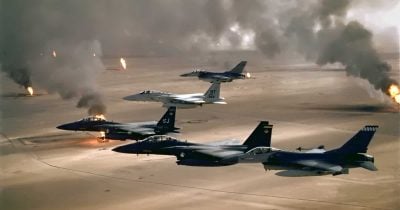
US Air Force operations intensify over the Persian Gulf amid escalating US-Iran tensions, creating potential disruptions to global oil markets and regional stability. The geopolitical friction threatens economic ripple effects that could influence asset valuations across multiple markets.
Geopolitical tensions in the Persian Gulf represent a significant macroeconomic risk factor that indirectly affects cryptocurrency and financial markets. The escalation of US Air Force operations signals heightened military posturing, which historically precedes either diplomatic resolution or further conflict. This uncertainty creates volatility in traditional markets, particularly energy commodities, which often correlates with risk asset behavior including cryptocurrencies.
The Persian Gulf remains critical infrastructure for global energy supply, with roughly one-third of seaborne oil transiting through the Strait of Hormuz. Previous regional tensions—including the 2020 Soleimani assassination and subsequent Iranian missile strikes—demonstrated how quickly geopolitical flashpoints can spike oil prices and create safe-haven demand. Markets typically respond to such events by rotating into defensive assets and increasing volatility across equities and commodities.
For cryptocurrency investors, regional conflicts create both headwinds and tailwinds. Immediate impacts include increased market volatility and potential capital flight to Bitcoin as a perceived store of value during geopolitical uncertainty. However, sustained conflict could disrupt global supply chains and economic growth, potentially dampening institutional crypto adoption and investment appetite. Energy price shocks also affect mining operations and blockchain network costs in energy-intensive applications.
Market participants should monitor several indicators: oil price movements, US equity market reactions, and central bank policy responses. Escalation beyond current military posturing could trigger flight-to-safety dynamics that historically benefit Bitcoin and gold. Conversely, diplomatic de-escalation would likely normalize risk assets and reduce volatility premiums.
- →US-Iran tensions in the Persian Gulf threaten global oil supply and create macroeconomic uncertainty affecting all asset classes
- →Geopolitical conflicts historically trigger safe-haven demand for Bitcoin and flight-to-safety dynamics in financial markets
- →Energy price volatility from regional instability affects cryptocurrency mining economics and blockchain operational costs
- →Investors should monitor oil prices and equity market correlation as early indicators of escalation or de-escalation
- →Sustained conflict could dampen institutional adoption of crypto through increased risk aversion and economic contraction