
US aircraft shot down over Iran amid escalating conflict
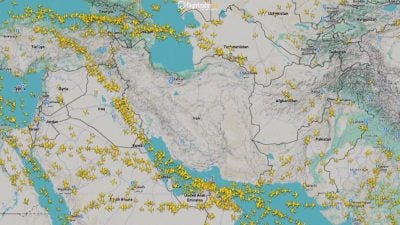
A U.S. aircraft was shot down over Iran, escalating military tensions between the two nations. The incident risks triggering European military involvement and disrupting global shipping routes, with potential consequences for energy markets and geopolitical stability.
The downing of a U.S. aircraft over Iranian airspace represents a significant escalation in direct military confrontation between Washington and Tehran. This incident moves beyond diplomatic posturing into kinetic conflict, raising the probability of retaliatory strikes and broader regional destabilization. The event carries immediate geopolitical weight that historically correlates with volatility across global financial markets, including cryptocurrency.
U.S.-Iran tensions have cycled through multiple phases over the past decade, from nuclear deal negotiations to sanctions regimes and proxy warfare. This direct military engagement suggests a breakdown in de-escalation mechanisms and increases the likelihood of European allies being drawn into the conflict, either diplomatically or militarily. Prior regional conflicts have prompted NATO involvement and broader security commitments that reshape international relations.
For crypto and digital asset markets, geopolitical crises typically trigger three concurrent effects: flight-to-safety demand that boosts Bitcoin and other non-correlated assets, energy price spikes that impact mining economics, and shipping disruptions that complicate global commerce. Middle East conflicts historically disrupt oil markets and Suez Canal shipping, creating macro uncertainty that traders traditionally hedge through alternative assets. Elevated energy costs directly reduce mining profitability while increasing institutional investor interest in inflation hedges like Bitcoin.
Investors should monitor escalation indicators including military deployments, European response statements, and energy market movements. Risk appetite across risk assets will likely compress as uncertainty premium increases. The duration and intensity of the conflict will determine whether this catalyzes sustained crypto inflows or represents a temporary volatility spike.
- →Direct U.S.-Iran military engagement marks the most serious escalation in years, elevating geopolitical risk premiums across markets.
- →Global shipping route disruptions could spike energy prices and increase demand for non-correlated assets like Bitcoin.
- →European military involvement is now a material risk, potentially triggering broader NATO responses and alliance commitments.
- →Mining economics face pressure from elevated energy costs while institutional demand for inflation hedges may increase.
- →Market volatility is likely to persist until clear de-escalation signals or conflict resolution pathways emerge.