
US military conducts defensive airstrikes on Iranian targets near Strait of Hormuz
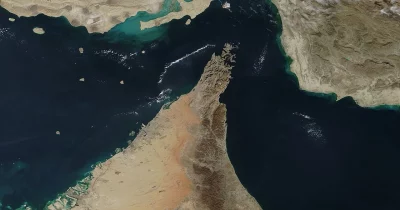
US military conducted defensive airstrikes against Iranian targets near the Strait of Hormuz, a critical global energy chokepoint. The escalation threatens oil market stability and could trigger broader financial market volatility with cascading effects on cryptocurrency and traditional asset classes.
Military tensions near the Strait of Hormuz represent a geopolitical flashpoint with significant economic consequences. The strategic waterway facilitates approximately 20-30% of global maritime oil trade, making it a critical node in energy security. Defensive airstrikes signal heightened military posturing and increase the risk of further escalation, which could disrupt shipping lanes and create supply chain uncertainties affecting energy markets worldwide.
Historically, Persian Gulf tensions have correlated with oil price spikes and broader market risk-off sentiment. Previous incidents in this region, including tanker attacks and drone strikes, demonstrated how localized geopolitical events can ripple through global financial systems. The current escalation follows a pattern of tit-for-tat military actions that reflect deteriorating diplomatic channels and increased regional instability.
Cryptocurrency and financial markets typically respond to such geopolitical crises through increased volatility and capital flight toward safe-haven assets. Oil price surges driven by Middle East tensions historically trigger inflation concerns, which impact monetary policy expectations and influence risk asset valuations. Bitcoin and other cryptocurrencies may experience upward pressure as investors hedge against currency debasement and economic uncertainty stemming from energy cost inflation.
Monitoring the escalation trajectory remains crucial for market participants. Further military incidents could trigger sustained oil price increases, forcing central banks to reassess inflation projections and potentially delaying rate cuts. Investors should track Strait of Hormuz shipping data, Iranian response statements, and oil futures positioning to gauge true market risk.
- →US airstrikes near Strait of Hormuz threaten 20-30% of global maritime oil trade flows
- →Geopolitical escalation historically correlates with oil price spikes and broader financial market volatility
- →Energy cost inflation from supply disruptions may influence central bank monetary policy decisions
- →Cryptocurrency markets often benefit from safe-haven demand during geopolitical crises and currency debasement fears
- →Escalation trajectory and diplomatic developments are critical signals for assessing sustained market risk